Review · HORSEBACK RIDING
Tokyo: Horse Racing Tour with Local Fan
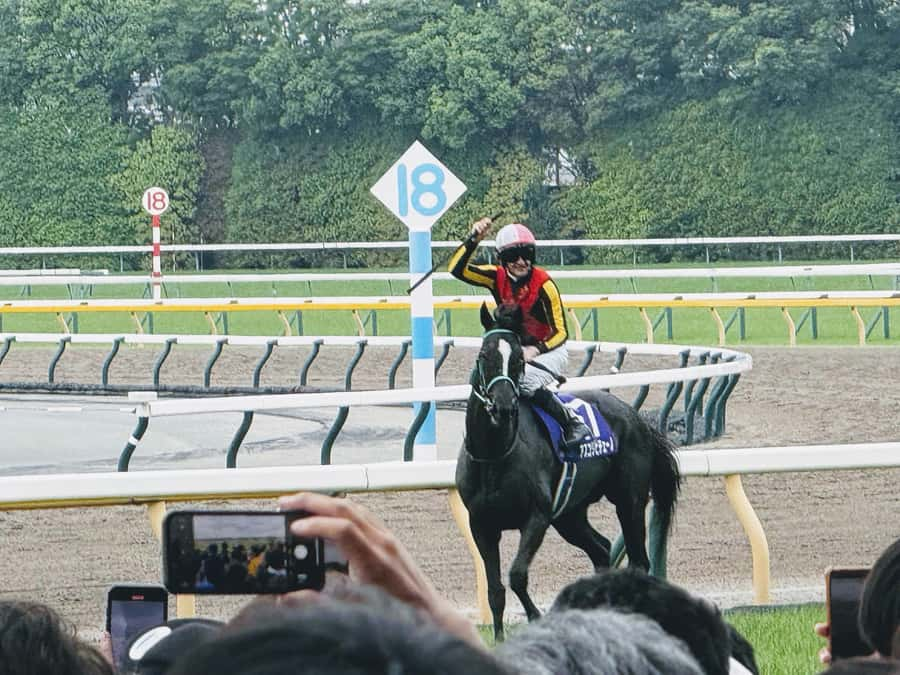
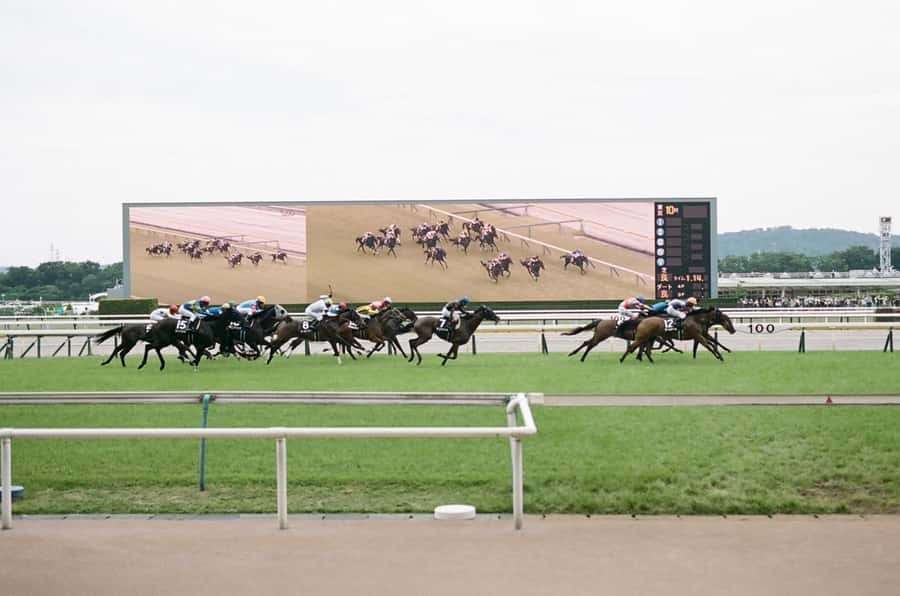
Japanese horse racing is a local pastime that most visitors miss. This tour puts you beside the betting machines, cheering crowds, and thundering horses, with English-speaking guide Eito to explain what is happening. I like the friendly, practical guidance, and I like that you get to see a side of Tokyo far removed from Shibuya’s neon streets. The main catch is that food, drinks, bets, and train fares cost extra, so the $60 price is only part of your budget.
I also like the chance to visit a racecourse that changes with the calendar. Weekends usually mean Tokyo Racecourse or Nakayama Racecourse, while weekdays are held at Oi or Kawasaki. The venue is shown before booking, so check it carefully and bring yen in cash for betting.
Key things to know before you go
- Eito handles the confusing parts: He explains Japanese betting, jockeys, horses, and race rules in clear English.
- The venue depends on your date: Weekend and weekday racecourses are different, and the exact site appears when you select your date.
- Your voucher is not your entry ticket: Meet the guide, send a text when you arrive, and receive the racecourse ticket from him.
- Betting is optional but central to the fun: You can watch without wagering, or start small while Eito helps you choose and place bets.
- Food and drinks are bought separately: Plan extra cash for beer, sake, local cocktails, karaage, yakitori, and other racecourse snacks.
- The experience is best for curious adults: It suits first-time bettors, regular race fans, and anyone wanting a less familiar side of Tokyo.
Why a Tokyo racecourse is worth your time
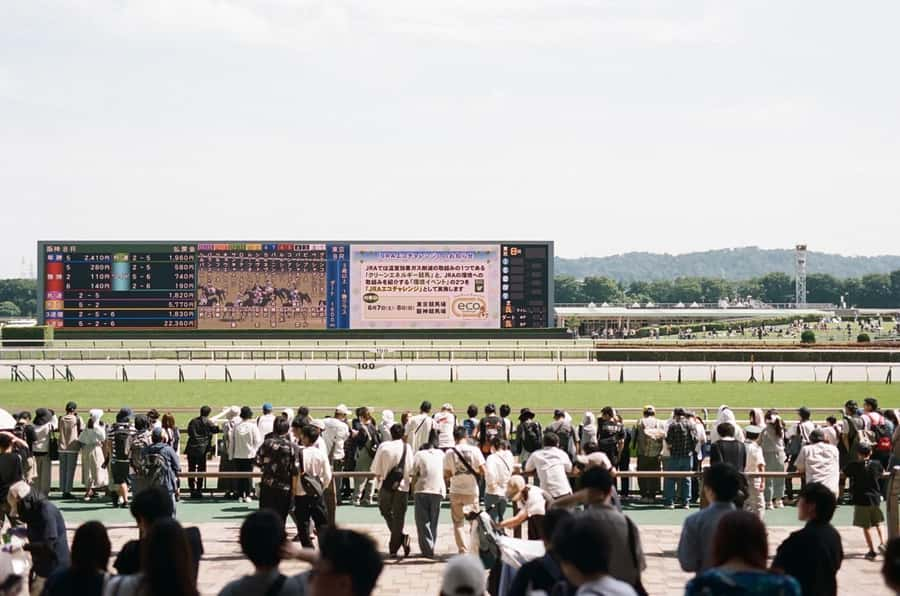
Tokyo offers plenty of famous sights, but some of its most revealing experiences happen in places that do not make the usual sightseeing list. A Japanese racecourse is one of them. Horse racing is popular across the country, yet the ticketing system, betting screens, and race announcements can be hard to follow if you do not read Japanese.
That is where this tour earns its place. You are not simply handed an admission ticket and left to work things out. Eito stays with you, explains the basic rules, and helps you understand the choices in front of you. For a first-time visitor, that support changes the visit from a confusing outing into something you can take part in.
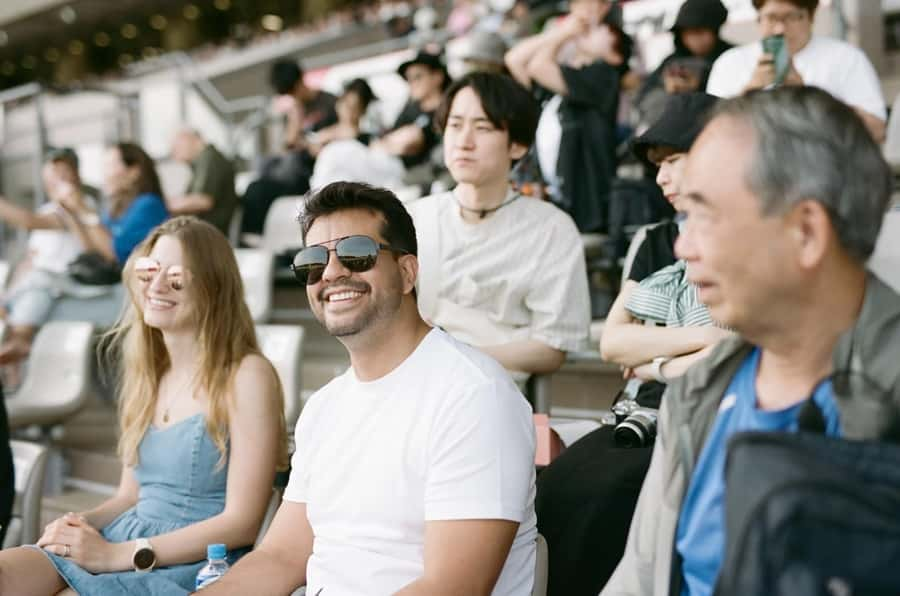
I especially like the social side. You can watch local fans study the horses, place their bets, and react to each race. The point is not only to win money. It is to see how a popular Japanese pastime works and to enjoy the shared tension before the horses leave the gate.
The setting also gives you a break from the usual Tokyo route. You will not find this kind of afternoon in Shinjuku or Shibuya. Instead, you get a practical look at a sport that many Japanese people follow closely, with a guide who can explain the customs as they happen.
More horseback rides around the world:
- Punta Cana Zipline Adventure with Buggies and Horseback Riding
★ 5.0 · 5,001 reviews - Luquillo Beach Horse Ride from Carabalí Rainforest Adventure Park
★ 5.0 · 4,762 reviews - Reykjavik: Red Lava Horse Riding Tour
★ 4.8 · 2,383 reviews
Meeting Eito and getting through the entrance
Your meeting instructions are simple, but important. Eito waits at the designated meeting point with a sign showing your name. Send a text when you arrive so he knows you are there.
Do not treat the GetYourGuide voucher as your admission ticket. The guide gives you your racecourse entry ticket in person, and entry is only possible when you are accompanied by him. This is a key detail, since arriving at the venue alone with only the voucher will not get you inside.
The guide also helps with the route to the racecourse. One recent booking included help navigating the train to Tokyo Racecourse, which is useful when you are trying to manage Japanese station signs and a fixed meeting time. Train tickets are not included, so keep transportation money separate from your betting cash.
I would leave enough time to reach the meeting point without rushing. The experience depends on joining the guide at the right place, and a missed meeting creates a much bigger problem here than on a standard self-guided attraction.
Choosing between Tokyo, Nakayama, Oi, and Kawasaki
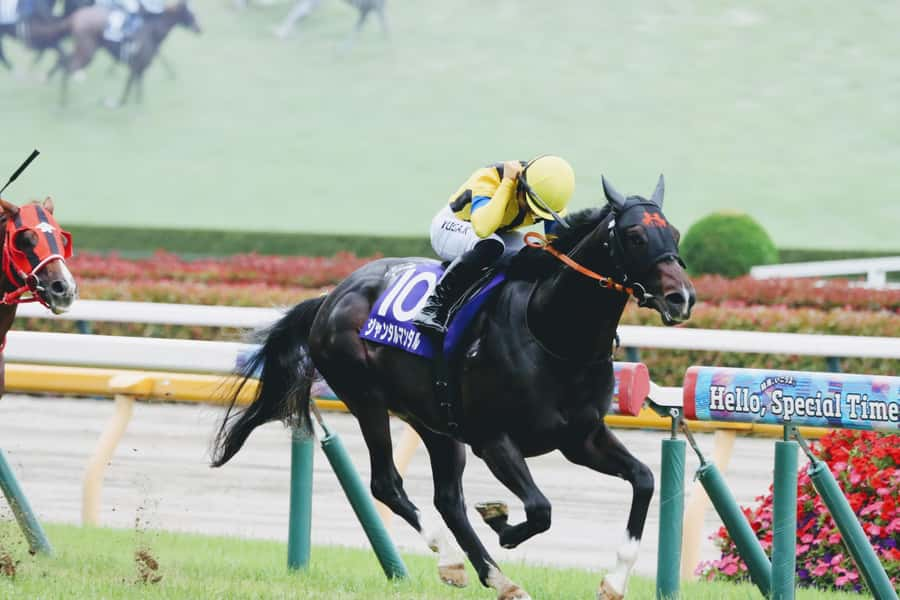
The racecourse is not fixed. On weekends, the tour usually visits Tokyo Racecourse or Nakayama Racecourse. On weekdays, it goes to Oi or Kawasaki Racecourse.
This variation is worth understanding before you book. The tour is built around the race day available on your chosen date, not around one single permanent venue. If you have a preference, check the booking calendar carefully because the exact course is shown when you select the date.
The different venues also give the outing a different flavor. Tokyo and Nakayama are the typical weekend options listed for this activity, while Oi and Kawasaki are the weekday choices. The supplied information does not promise a particular race, horse, or seat type at any one venue, so think of the racecourse choice as part of the date selection.
Reserved seats are provided when available, and the guide gives you the reserved seat ticket. That is a useful advantage over turning up alone and trying to understand the seating system. Still, seat availability can vary, so do not book expecting a specific view or exact seating section unless the date details clearly confirm it.
Learning the rules without reading Japanese
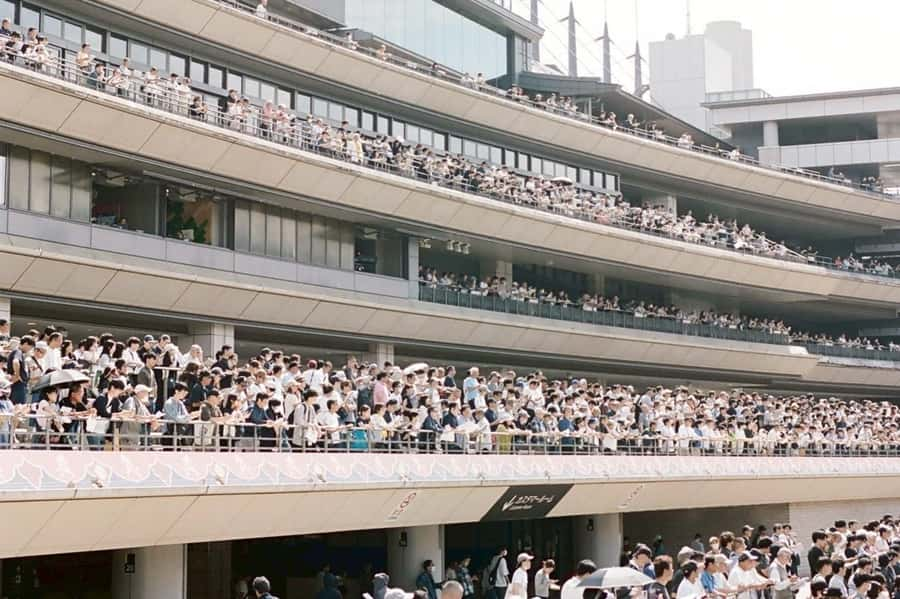
Horse racing has its own vocabulary, betting formats, and race-day rhythm. Even a regular race fan from another country may find Japanese systems unfamiliar. The tour is designed to help both complete beginners and people who already follow racing.
Eito explains the basic rules in English, then helps you understand how to place a bet. He can also explain the horses and jockeys, giving you more to consider than simply choosing a number at random. This guidance is one of the strongest reasons to book rather than visit the course alone.
You do not need previous racing knowledge. You also do not need Japanese language skills. The guide’s job is to make the process usable, not to test you on racing terms.
If you already attend races in New Zealand, Australia, or Hong Kong, you may still find the Japanese system different enough to be interesting. The structure, screens, betting choices, and crowd atmosphere can feel unfamiliar even if you know the sport well. Eito can help bridge that gap.
I would still keep your first bets simple. The guide can explain the options, but no explanation can remove the risk of losing. Treat the betting as part of the experience, not as a way to fund the rest of your Japan trip.
Same saddle, a different trail:
- Hurghada: Red Sea & Desert Horse Riding Tour with Swimming
★ 4.8 · 2,198 reviews - El Salobre: Horse Riding Adventure with Transfer Options
★ 4.5 · 2,034 reviews - Half-Day Thoroughbred Horse Farm Tour in Kentucky
★ 5.0 · 1,924 reviews - Cappadocia: Horseback Riding Adventure Tour
★ 5.0 · 1,881 reviews
Placing bets and feeling the crowd
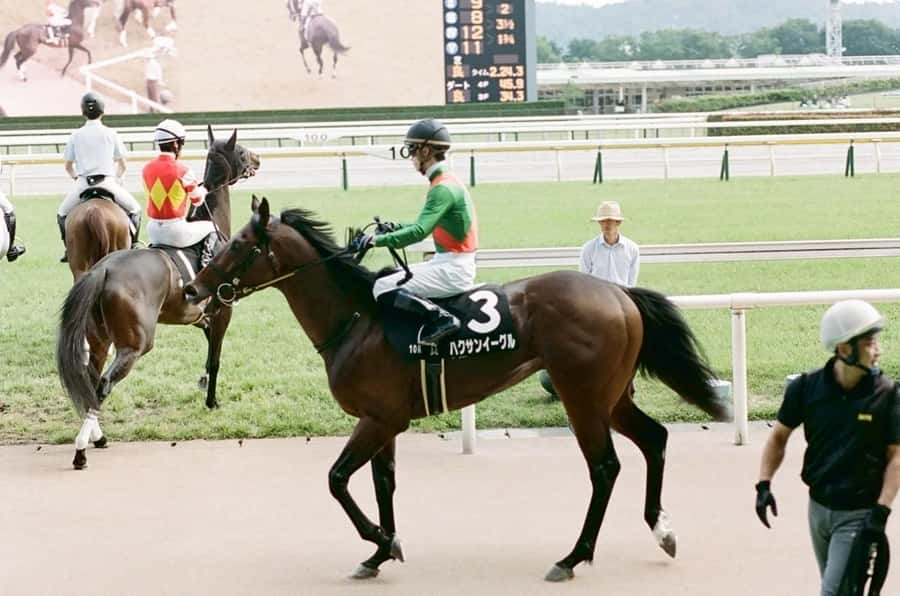
The betting is optional, but it gives the visit extra energy. Eito shows you how to place a ticket, explains the available choices, and helps you understand what you are selecting. You can make a small wager, watch the race, and see how the result works.
Bring Japanese yen in cash. Betting money is not included in the $60 tour price, and you pay for your own wagers. The amount you spend is entirely up to you, so set a limit before the first race and stick to it.
The excitement comes from the build-up. You watch the horses, consider the jockeys, make a choice, and then join the crowd as the race begins. Even a modest bet gives you a reason to focus, but you can also enjoy the races without placing one.
The experience is not about guaranteed wins. You might come close several times and still lose, which is part of the tension. The safest approach is to spend only what you are comfortable treating as entertainment money.
Food, drinks, and the race-day atmosphere
Food and drinks are not included, but that leaves you free to choose what appeals to you at the course. The available examples include crispy karaage, yakitori, seasonal items, sake, beer, and local cocktails.
This is a practical arrangement for a group with different tastes. You can buy a full meal, pick up a few snacks, or skip food and focus on the races. Since every purchase is separate, you can control your spending more easily than with an all-inclusive food package.
I like the idea of pairing a drink with a race, but remember that alcohol can make it easier to lose track of your betting budget. Keep the two expenses separate in your mind. Food and drinks add to the atmosphere, but they are not required to enjoy the main activity.
The setting is also part of the appeal. You are sharing the day with local fans, watching their reactions, and hearing the crowd respond as the horses run. You do not need to speak Japanese to understand the basic excitement of a race. Eito fills in the details that the announcements and signs cannot provide in English.
What the $60 price really includes
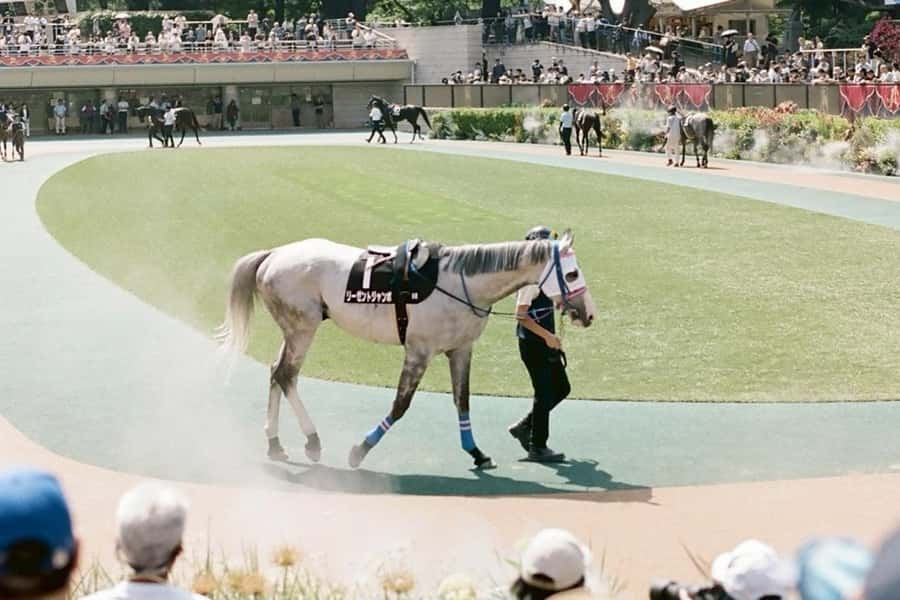
At $60 per person, the tour is not the cheapest possible way to see a horse race. You still pay for train tickets, food, drinks, and betting. If you only want to watch one race from a distance, going alone would cost less.
The value comes from the help that is included. Admission is covered, an English-speaking guide stays with you, the betting process is explained, and the guide assists with the racecourse system. You also receive the entry ticket from him rather than trying to solve the admission process on your own.
For a visitor who cannot read Japanese, this support can save time and avoid a lot of uncertainty. It also makes the experience more social. You can ask questions as events unfold instead of trying to translate screens or guess which ticket to buy.
I see the price as reasonable for someone who wants to take part rather than simply look around. It is less convincing for a racing expert who speaks Japanese and already knows the local betting system. Your value depends on how much you want the guide’s help.
Who will enjoy this most
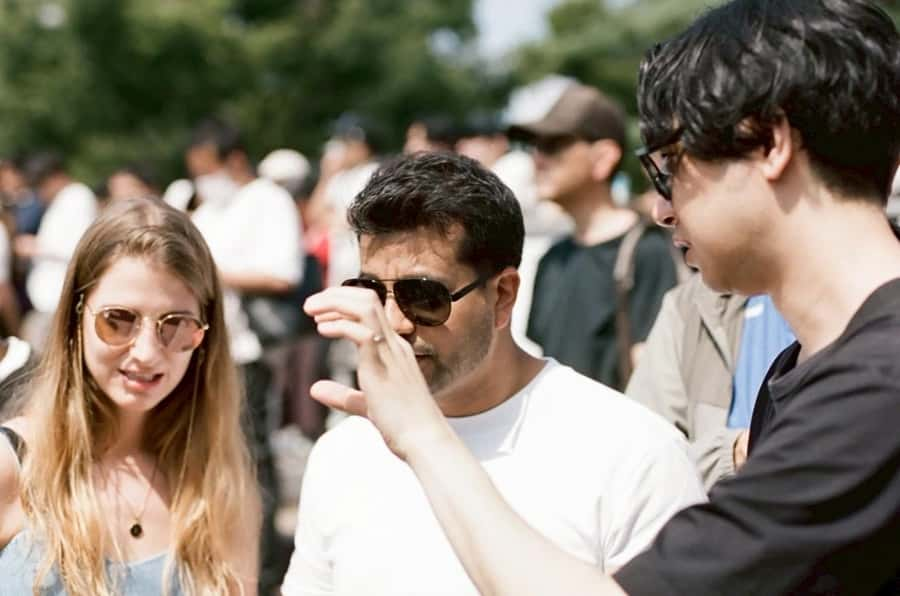
This tour is a strong match for you if you want an unusual cultural activity and enjoy some harmless uncertainty. You do not need to be a serious horse-racing fan. Curiosity is enough, especially if you like watching local customs in action.
It also suits experienced racegoers. The Japanese system can differ from what you know at home, and Eito can explain the local betting choices, jockey information, and race-day flow.
The tour may not suit you if you dislike gambling, crowds, or plans that depend on a set meeting point. You can attend without betting, but wagering is a major part of the activity, and the racecourse atmosphere is built around it.
Families should check their own needs before booking, since the supplied information does not specify age rules or child pricing. The same applies to accessibility details, which are not provided. If those points matter for your group, ask before paying.
Practical tips for a smoother race day
Bring cash in Japanese yen for bets, food, drinks, and train tickets. Your $60 payment does not cover those extras.
Send a text when you reach the meeting point. Look for Eito holding a sign with your name, and do not try to enter the racecourse alone with your voucher.
Check the venue on your selected date. Weekend dates generally use Tokyo or Nakayama, while weekday dates generally use Oi or Kawasaki.
Set a betting limit before you arrive. A small wager can make a race more exciting, but there is no reason to chase a loss.
Ask questions early. Eito can explain the system before the first race, giving you more time to watch the horses and make choices with confidence.
Wear something comfortable for a race-day outing. The supplied details do not specify a dress code, so there is no stated need for formal clothing.
Final call: should you book it?
Book this tour if you want a local Tokyo experience that is active, social, and a little outside the standard sightseeing plan. The strongest reason to go is Eito’s hands-on guidance. He helps with the train route, admission, betting, jockey information, and the parts of Japanese racing that are hard to understand alone.
The $60 price makes the most sense if you are a first-time visitor, a non-Japanese speaker, or a racing fan who wants to see how the sport works in Japan. Budget extra for transport, food, drinks, and bets, and choose your date with the changing venue in mind.
Skip it if you want a cheap, quiet attraction with no gambling or fixed meeting arrangements. For everyone else, this is a lively way to spend part of a Tokyo day, with the chance to cheer beside local fans and see a side of Japan that most sightseeing schedules leave out.
FAQ
What does the Tokyo horse racing tour cost?
The tour costs $60 per person. Food, drinks, betting money, and train tickets are not included.
Which racecourse will I visit?
The venue depends on your selected date. Weekend tours usually visit Tokyo Racecourse or Nakayama Racecourse. Weekday tours go to Oi or Kawasaki Racecourse. The exact venue appears when you choose your date.
Is an English-speaking guide included?
Yes. An English-speaking guide accompanies you throughout the event and explains the racing rules and betting process.
Who is the guide?
The guide highlighted for this experience is Eito. He helps with the train route, racecourse entry, betting, jockey information, and horse information.
Do I need to know anything about horse racing?
No. The guide explains the rules and betting choices in simple English, so beginners can take part.
Is betting included in the price?
No. You pay for your own bets, and you should bring cash in Japanese yen. Betting is optional.
Is the GetYourGuide voucher the admission ticket?
No. The voucher is not the racecourse admission ticket. Meet the guide at the designated location, and he will provide your entry ticket. Entry is only possible when accompanied by the guide.
New to the stable around the world
- Short Horseback riding – Kolasin★ 5.0 · 2 reviews
- Harties Horse Trail Safari Half day★ 5.0 · 11 reviews
- Horse Riding From Pokhara Lakeside to Sarangkot | Pony trek in Pokhara, Nepal★ 5.0 · 2 reviews
- Scenic Horseback Ride, Wine Tasting & Lunch on Mt. Vesuvius★ 5.0 · 23 reviews
- Horseback Riding on Mt. Vesuvius with Wine Tasting and Dinner★ 5.0 · 6 reviews
- Half-Day of Horseback Adventure with Wine Tasting★ 5.0 · 4 reviews
- 1 Hour Waterfalls Canyon Private Horse Riding in Smolyan★ 5.0 · 2 reviews
- ZipLine, Horseback Riding, Tubing, Hot Springs & Lunch @ Volcano National Park★ 5.0 · 38 reviews
Horseback Riding Tours, compared.
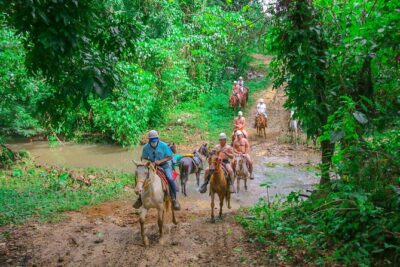
Punta Cana Zipline Adventure with Buggies and Horseback Riding
Read our review →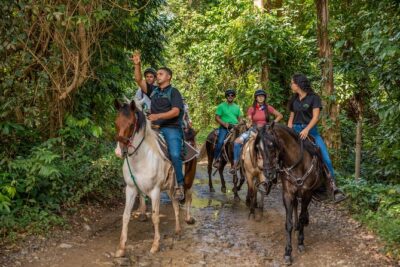
Luquillo Beach Horse Ride from Carabalí Rainforest Adventure Park
Read our review →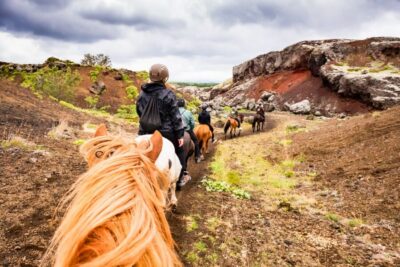
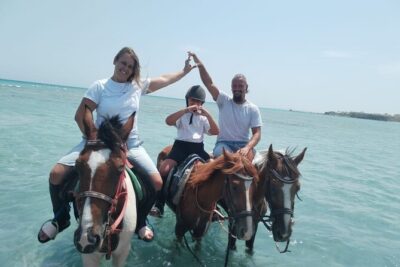
Hurghada: Red Sea & Desert Horse Riding Tour with Swimming
Read our review →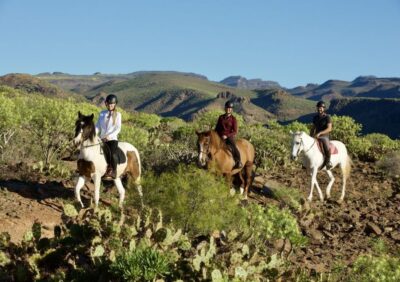
El Salobre: Horse Riding Adventure with Transfer Options
Read our review →

Horseback Riding and Cenote Swim from Cancun or Playa del Carmen
Read our review →