
Review · NORWAY
Tromsø: Horseback Riding Tour
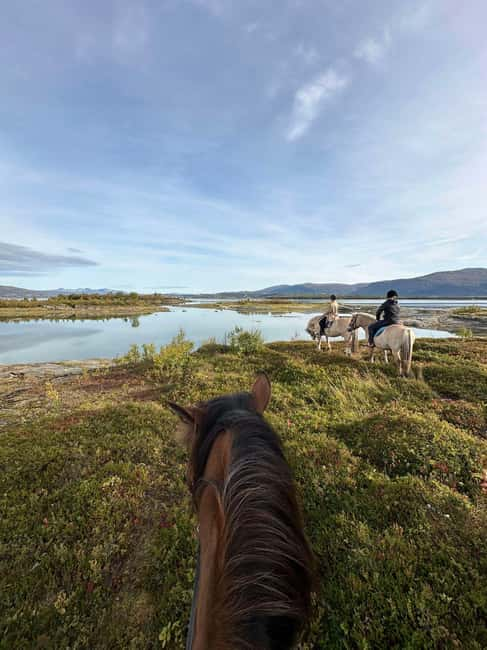
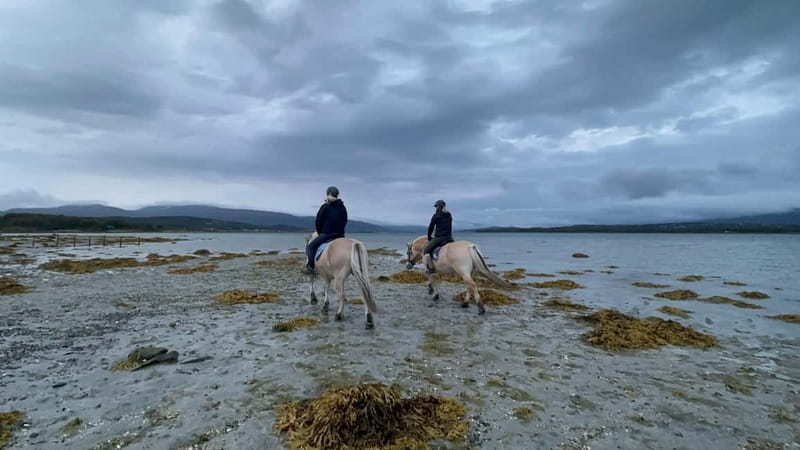
The most unusual part of this Tromsø outing is that your horse may carry you along the shore, through forest, and, in suitable conditions, right toward the sea. On Kvaløya Island, the route changes with the tides and weather. You might spot moose, eagles, or seals, though wildlife sightings are never promised.
I like the tiny groups of no more than five, which gives the guide time to help you settle in. I also like the hands-on start: you groom and saddle your horse before riding, rather than simply climbing aboard. The main consideration is winter conditions. Snow and wind can limit where the horses go, so the ride may focus more on sheltered woods than open coastal views.
- Ride three Norwegian breeds: Meet Lyngen horses, Fjord horses, or Døla horses, each with its own background.
- Begin at the farm: Grooming, saddling, and a five-minute safety briefing are part of the outing.
- Follow a changing route: Depending on tides and conditions, you may ride on the beach, shore, hills, or through woodland.
- Look for Arctic wildlife: Moose, eagles, and seals are possible sightings around Kvaløya.
- A real small-group outing: With a maximum of five participants, the guide can offer personal support.
- Plan for cold weather: Warm clothes, gloves, and comfortable shoes matter more here than fancy riding gear.
Why this Kvaløya ride feels different
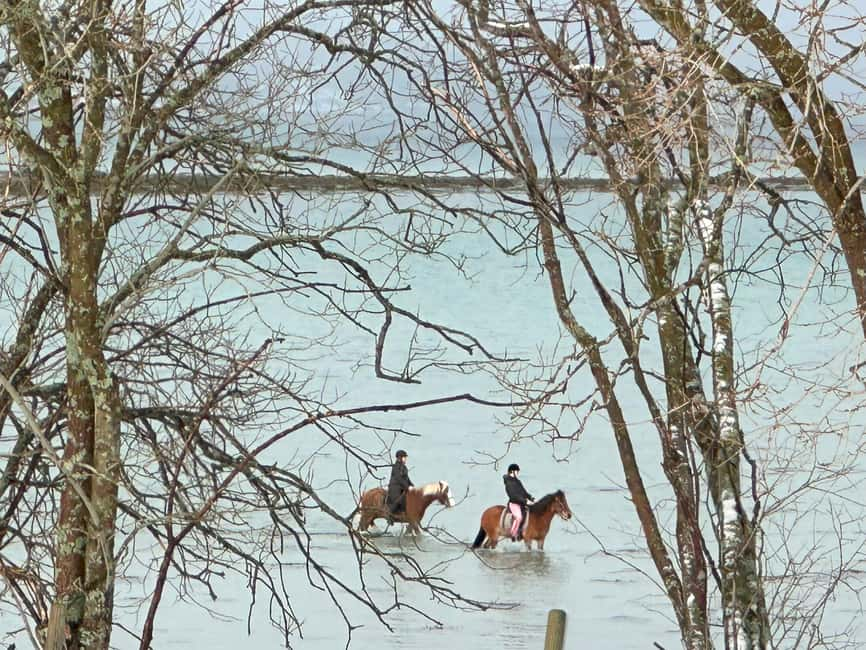
Many Tromsø excursions show you the Arctic from a bus, boat, or snowmobile. This one slows the pace to a horse’s walk and puts you close to the ground. You hear the animal’s movement, feel the footing change, and take in the shoreline without an engine between you and the setting.
The farm sits on Kvaløya, about 18 minutes from Tromsø Airport. That makes this a practical choice if you want a countryside activity without committing to a full-day trip away from town. It also gives you a glimpse of rural life near Tromsø, including the farm’s connection to local history during World War II.
The tour is run by Tromsø Turhest AS, with English and Norwegian available. The group limit of five is important. Horse rides can feel awkward when a large line of unfamiliar riders moves together, but this setup leaves more room for questions, reassurance, and adjustment.
Meeting the horses at Mari Sletta Farm
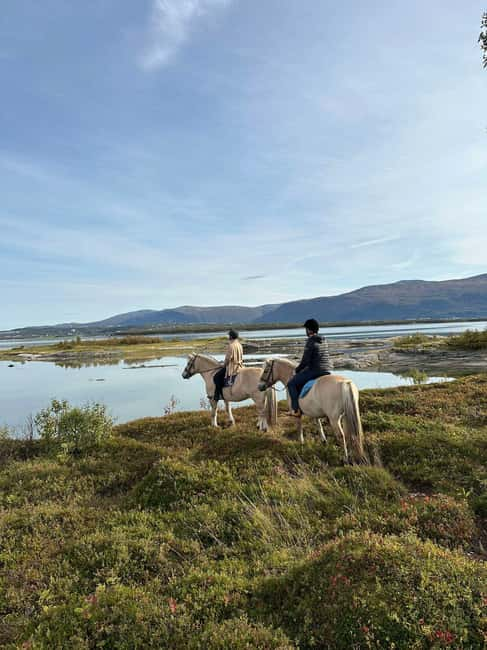
Your visit starts at Mari Sletta Farm on Straumsvegen 766a. The guide meets you near the largest red barn. If you drive, park beside the first red building on the right after leaving the main road, then walk down toward the barn.
You can also use Svipper bus 420 from Tromsø. Get off at Marisletta, walk back in the direction of the city, and take the first road on the right. Look for the sign marked Kattehotell and follow the road down to the large red barn. The walk from the bus stop takes about three minutes.
The first part is not wasted time. You get acquainted with your horse, and the staff help you brush and prepare it. This is especially useful if you have little or no riding experience. It lets you learn how to approach the animal and gives you a calmer start than being placed in the saddle at once.
The horses include the Norwegian Fjord horse, Lyngen horse, and Døla horse. These are not interchangeable versions of the same animal. Each breed has its own story and place in Norwegian farming and transport, and the guide explains more about that background as you prepare.
More horseback rides around the world:
- Punta Cana Zipline Adventure with Buggies and Horseback Riding
★ 5.0 · 5,001 reviews - Luquillo Beach Horse Ride from Carabalí Rainforest Adventure Park
★ 5.0 · 4,762 reviews - Reykjavik: Red Lava Horse Riding Tour
★ 4.8 · 2,383 reviews
A five-minute safety briefing that matters
The formal safety briefing takes about five minutes, but safety continues through the preparation and ride. You receive a helmet, and the guide checks that you are comfortable before heading out.
The most useful part for a nervous beginner is the chance to get used to the horse first. Guide June, mentioned by name in one account of the outing, took time to make sure a younger rider felt comfortable, lent fleece chaps when the wind was sharp, and allowed the group to warm up in the tack room afterward. That gives you a good idea of the sort of practical support available, though the guide on your date may be someone else.
Beginners may spend time in an enclosed arena practicing the basics before leaving the farm. This is a sensible step, not a delay. It gives you a chance to test your balance and learn how to follow simple instructions before dealing with snow, hills, woods, or the coast.
The tour is not suitable for children under 10, pregnant women, people with animal allergies, or anyone over 209 pounds, or 95 kilograms. Everyone takes part at their own risk, as stated in the Norwegian responsibility notice.
Two hours through woods, hills, and shore
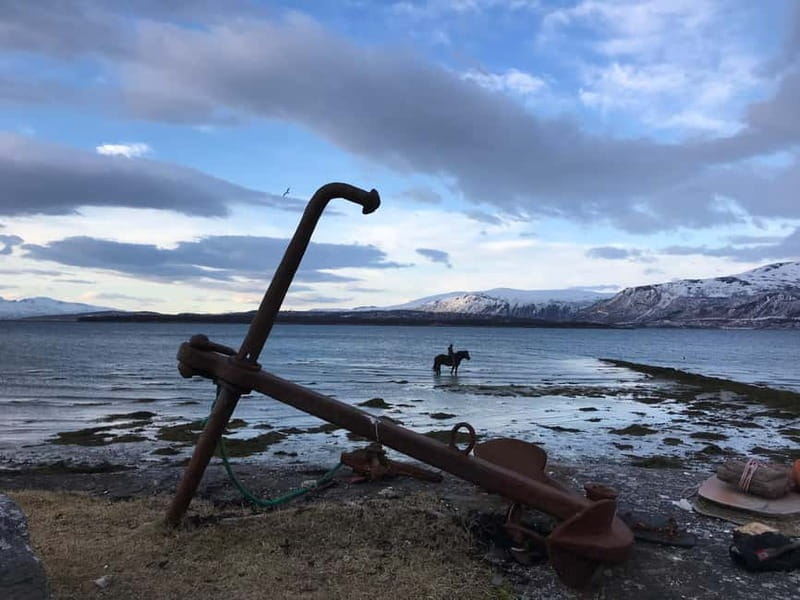
The riding portion lasts about two hours. The exact route depends on tide, snow, and weather, so you should treat the setting as flexible rather than expecting one fixed path.
In milder conditions, the horses may travel along the beach or shore. One particularly memorable possibility is riding toward the sea, then continuing through forest and hills. The combination gives you more variety than a simple paddock ride, and Kvaløya’s coastal setting makes the outing feel distinctly northern.
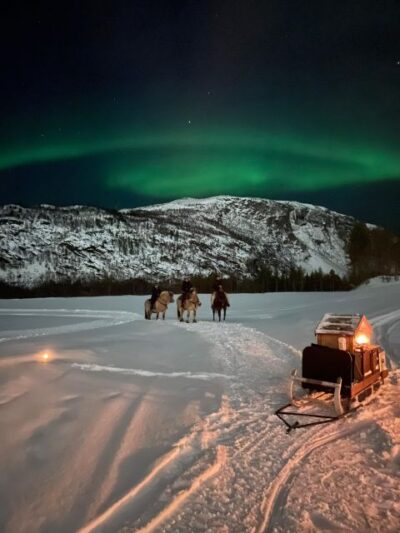
At other times, especially in winter, snow can limit access to the open coast. One outing had less coastal riding than hoped because the snow made that route impractical. The horses instead used wooded areas with some shelter from the wind. I would see this as both a limitation and a safety choice: you may lose some sea views, but a sheltered route can make the ride more pleasant for you and the horses.
The route also minimizes road riding. That matters if you want a quiet outdoor experience rather than a ride beside traffic. Still, conditions control the plan. A storm can lead to cancellation, and the operator puts the welfare of the horses and the safety of the group first.
Wildlife watching from the saddle
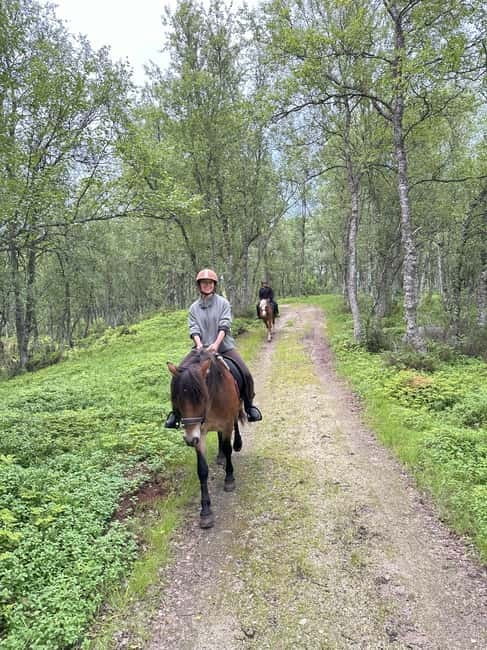
Kvaløya gives you a chance to see Arctic wildlife during the ride. Moose, eagles, and seals in the sea are all possible. One family group saw five moose, which shows how rewarding a lucky outing can be.
You should not book this as a guaranteed wildlife safari. The horses need to keep moving, weather can restrict the route, and animals do not follow a schedule. Still, riding quietly through woodland and along the shore gives you a better chance of noticing wildlife than a noisy motor tour might.
Keep your eyes on the route and your attention on the horse. The best approach is to treat wildlife as an extra, not the main product. The core experience is learning to handle a Norwegian horse in a dramatic coastal setting.
Same saddle, a different trail:
- Hurghada: Red Sea & Desert Horse Riding Tour with Swimming
★ 4.8 · 2,198 reviews - El Salobre: Horse Riding Adventure with Transfer Options
★ 4.5 · 2,034 reviews - Half-Day Thoroughbred Horse Farm Tour in Kentucky
★ 5.0 · 1,924 reviews - Cappadocia: Horseback Riding Adventure Tour
★ 5.0 · 1,881 reviews
What the ride is like for beginners
You do not need previous riding experience. The tour is designed to accept both beginners and more experienced riders, and the preparation helps you get started.
That said, horseback riding is still a physical activity. You need to sit balanced, follow directions, and stay alert around an animal. The experience may suit a first-time rider who wants careful guidance, but it is not a passive sightseeing trip where you simply sit and look around.
I like the way the small group supports different comfort levels. A cautious rider can receive more attention, while someone with experience may feel ready to progress sooner. The guide checks on participants during the ride, which is helpful when cold, nerves, or unfamiliar terrain begin to affect your confidence.
Wear trousers and layers that let you move. The operator asks you to bring warm clothing, gloves, comfortable shoes, and weather-appropriate gear. The Arctic wind can feel much stronger on exposed shorelines than it does in Tromsø city. Fleece chaps may be available, but you should not depend on borrowing them.
Three Norwegian breeds, three pieces of history
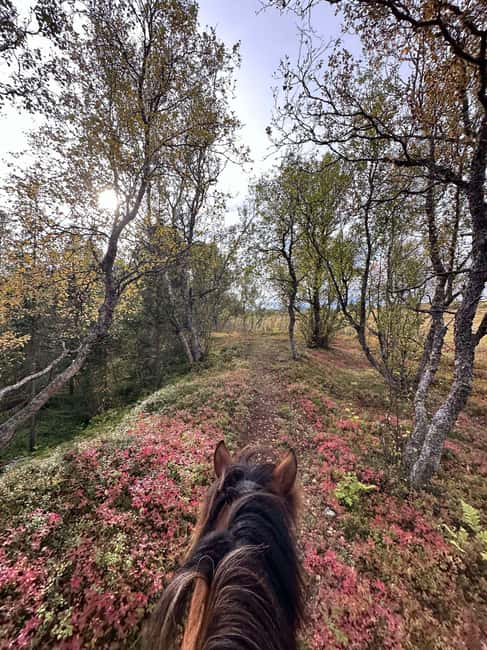
The chance to ride one of Norway’s three national breeds gives this outing more substance than a standard trail ride. You may meet a Lyngen horse, Fjord horse, or Døla horse, depending on the horses available and the group.
The Fjord horse is likely to be the breed many international visitors recognize, with its distinctive coloring and sturdy build. The Lyngen horse connects especially well with northern Norway, while the Døla horse represents another important Norwegian working tradition. The guide explains the separate histories rather than treating them as generic riding animals.
The farm itself also has a World War II story. Details are not extensive in the tour information, but the mention adds a local layer to your visit. You are not only passing through scenery. You are visiting a working farm with a place in the area’s past.
This is one reason I would allow time to listen during the preparation. The grooming and tacking are practical tasks, but they also give you a chance to learn about the animals and the farm before heading outside.
Is $262 a fair price?
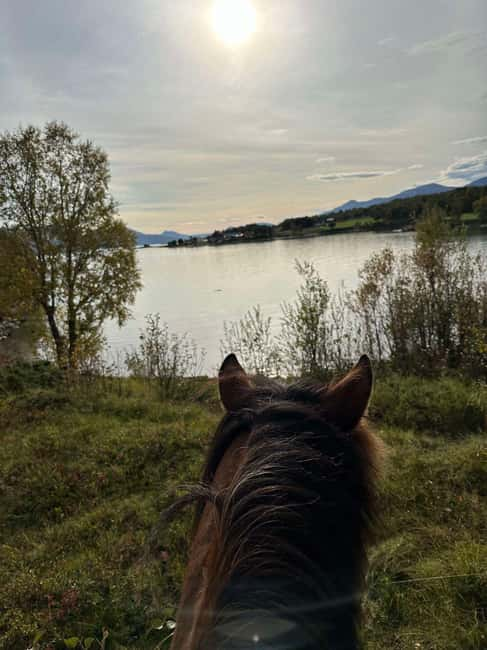
At $262 per person, this is not a cheap add-on. The value depends on what you want from your Tromsø day.
You are paying for 150 minutes at a small farm, including about two hours of riding, a helmet, safety instruction, horse preparation, and a live English or Norwegian-speaking guide. The small group limit of five makes the price easier to justify than a mass-market ride. You receive more direct help, and the route can respond to the abilities of the people in the group.
The price also covers an experience that combines several elements: meeting a Norwegian breed, learning basic horse care, riding through woodland and coastal terrain, and hearing about the farm. If you only want a short photo opportunity on a horse, this may feel expensive. If you value a personal, hands-on outing near Tromsø, it is a stronger buy.
The cost does not guarantee sunshine, open sea riding, or wildlife. Weather can change the route, and storms can cancel the tour. I would book it because you want the horse and farm experience first, with scenery and wildlife as added rewards.
Timing, transport, and what to bring
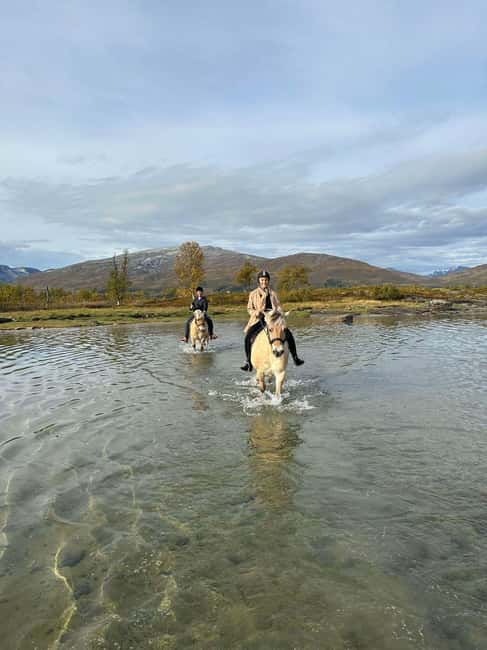
The total duration is two and a half hours, including the briefing and preparation. Check the available start times carefully, especially if you are fitting the ride around a flight, another excursion, or a northern lights outing.
Driving is straightforward, with free parking at the farm. Follow the parking directions closely, since the meeting point is down from the main road rather than at a large visitor center.
The bus option is useful if you do not have a car. Svipper route 420 stops at Marisletta, and the farm is only a short walk away. Leave enough time to identify the Kattehotell sign and the large red barn.
Bring:
- Warm layers
- Gloves
- Comfortable shoes
- Clothing suited to the forecast
- Trousers suitable for riding
Smoking, alcohol, drugs, and feeding the animals are not allowed. The feeding rule protects the horses and prevents visitors from giving them food that may be unsafe.
You can cancel up to 24 hours before the start for a full refund, and the reserve-now, pay-later option keeps your plans flexible. Those terms are useful in Tromsø, where winter weather can disrupt outdoor activities.
Who should book this ride?
I would recommend it to adults, families with children aged 10 and over, couples, and first-time riders who want a quiet outdoor activity. It is particularly suitable if you like animals and want to learn how a farm works, not just sit on a horse for a few photographs.
It also suits someone staying near Tromsø Airport or anyone who wants a countryside outing without spending a full day on transport. The small group is a major advantage for nervous riders and for parents accompanying an older child.
Think twice if you have animal allergies, are pregnant, exceed the 95-kilogram weight limit, or dislike cold outdoor activities. You should also reconsider if your main goal is a long, open-coast ride. Snow and tide may send the group into sheltered woods instead.
Should you book Tromsø Horseback Riding?
Book this tour if you want personal guidance, calm horses, and a hands-on introduction to Norwegian riding traditions. The strongest parts are the grooming and saddling, the small group, the caring attention given to beginners, and the chance to ride through several types of Arctic terrain.
Go with realistic expectations. The sea route is not guaranteed, wildlife sightings are occasional, and bad weather can change or cancel the plan. For me, those limits are acceptable because the farm visit and contact with the horses remain worthwhile even when winter keeps the group off the open shore.
FAQ
Where does the horseback riding tour start?
The tour starts at Mari Sletta Farm, Straumsvegen 766a, on Kvaløya Island.
How do I find the meeting point at the farm?
Park beside the first red building on the right after leaving the main road. Walk down the road to the largest red barn on the left, where the guide meets you.
Can I reach the farm by bus?
Yes. Take Svipper bus 420 from Tromsø and get off at the Marisletta stop. Walk back toward the city, take the first road on the right, look for the Kattehotell sign, and follow the road to the large red barn.
How long does the activity last?
The full activity lasts 150 minutes, including the safety briefing and riding time.
How much time is spent on horseback?
The sightseeing and horseback riding portion lasts about two hours. The safety briefing takes about five minutes, with additional time used to meet, groom, and prepare the horses.
Do I need previous riding experience?
No. The activity is suitable for different ages and experience levels, including beginners. Beginners may practice in an enclosed arena before leaving the farm.
Which horse breeds might I ride?
The farm has Lyngen horses, Norwegian Fjord horses, and Døla horses. The guide explains the history of the breeds.
What wildlife could I see?
You might see moose, eagles, or seals in the sea. Wildlife sightings are not guaranteed.
What should I bring?
Bring comfortable shoes, warm clothing, gloves, and clothing suited to the weather.
Who cannot join the tour?
The tour is not suitable for children under 10, pregnant women, people with animal allergies, or people weighing more than 209 pounds, or 95 kilograms.
New to the stable around the world
- Short Horseback riding – Kolasin★ 5.0 · 2 reviews
- Harties Horse Trail Safari Half day★ 5.0 · 11 reviews
- Horse Riding From Pokhara Lakeside to Sarangkot | Pony trek in Pokhara, Nepal★ 5.0 · 2 reviews
- Scenic Horseback Ride, Wine Tasting & Lunch on Mt. Vesuvius★ 5.0 · 23 reviews
- Horseback Riding on Mt. Vesuvius with Wine Tasting and Dinner★ 5.0 · 6 reviews
- Half-Day of Horseback Adventure with Wine Tasting★ 5.0 · 4 reviews
- 1 Hour Waterfalls Canyon Private Horse Riding in Smolyan★ 5.0 · 2 reviews
- ZipLine, Horseback Riding, Tubing, Hot Springs & Lunch @ Volcano National Park★ 5.0 · 38 reviews
Norway Horseback Riding Tours, compared.
Lofoten: Guided Horse Riding Tour Over Hov and Hovsund
Read our review →
Browse the lists this tour appears in