
Review · THE USA
Gettysburg: Licensed Guided Battlefield Horseback Tour
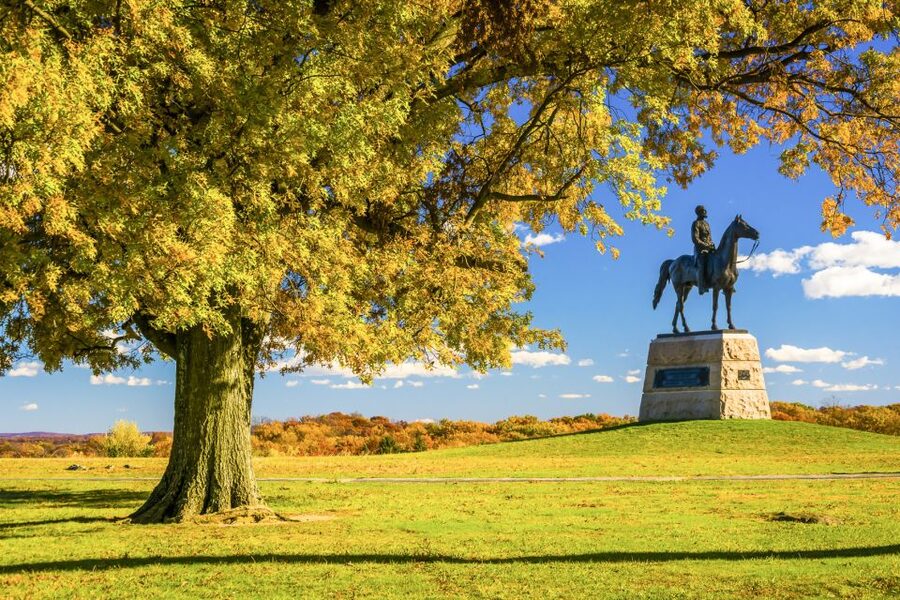
The unusual part of this Gettysburg tour is not simply the horse. It is the way a slow ride lets you read the ground. From the saddle, you can see how roads, farms, hills, and open fields shaped the fighting. The Virginia Monument and Spangler Farm give the tour its strongest sense of place, while the barn at Trostle Farm brings the battle down to one very clear mark: a cannonball hole still punched into the wall.
I like the careful support from the outriders, especially for first-time riders, and I like the clear narration through headsets. Guides such as Andi and Truman have been praised for making the military details easy to follow without turning the ride into a dry lecture. The main limitation is coverage: two hours takes you through only one part of the huge battlefield, and the route turns back rather than making a full circuit.
Key points to know before you book
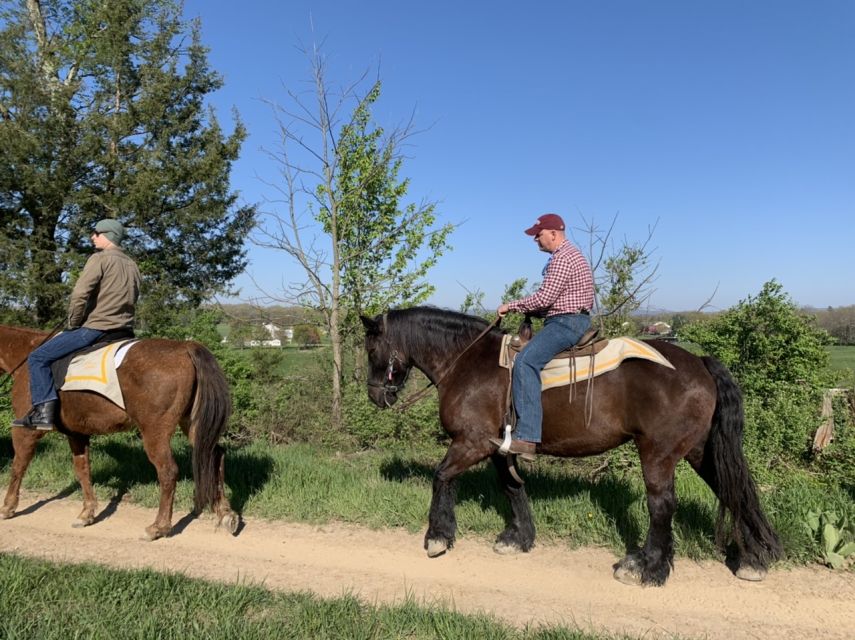
- See Gettysburg from horseback: The ride gives you a view similar to the mounted officers who once crossed these fields, with time to notice slopes, roads, and open ground.
- Hear the story clearly: An English-speaking guide narrates the ride, with English audio equipment available so you do not miss the explanation.
- Visit three memorable sites: The route includes the Virginia Monument, Spangler Farm, and Trostle Farm, including its famous cannonball hole.
- Expect steady trail horses: The horses are selected for trail riding and are described as calm, well trained, and easy for beginners to handle.
- Outriders stay with the group: Staff ride along throughout the tour, help with saddles and stirrups, and check on riders during the journey.
- Plan for real weather: The ride goes out rain or shine, so clothing and footwear matter as much as your interest in Civil War history.
Why horseback is a useful way to see Gettysburg
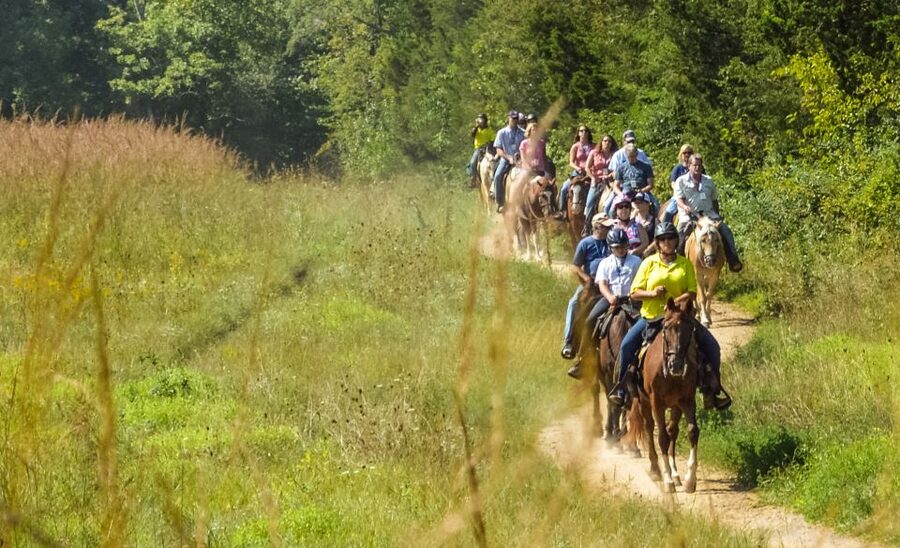
Gettysburg is easy to visit by car, but a car can make the battlefield feel like a string of roadside stops. A horseback tour slows the pace. You are not just pulling over, reading a marker, and moving on. You are sitting above the fields, moving between them, and listening while the ground stays in view.
That change matters here. The Battle of Gettysburg depended heavily on position and movement. A rise in the ground, a road crossing, a farmyard, or a line of trees could affect what soldiers saw and how quickly they could move. From a horse, you have a better chance to notice those relationships than you do from inside a vehicle.
I also like the historical connection. Cavalry and mounted officers were part of the Civil War world, so horseback is not a random way to cover the park. It gives the visit a modest link to the period, even though you are riding a calm trail horse rather than reenacting combat. You will hear the story from a guide, not act it out.
This is still a guided trail ride, not a full military history seminar. The route covers a limited section of Gettysburg National Military Park, and the ride moves at the pace of a group of horses. If you want every major monument and battlefield position, pair this with a car tour or another park visit.
More rides with a guide around the USA:
- Horseback Riding Experience through Red Canyon with a Guide
★ 5.0 · 321 reviews - Guided Horseback Tour only 30 mins from Sedona.
★ 4.5 · 173 reviews - Guided 90 Min Horseback Ride Catalina State Park Coronado Forest
★ 4.5 · 133 reviews
Meeting at McMillan Woods Campground
The meeting point is McMillan Woods Campground. Plan to arrive ready to ride, since you will need to sign a risk form before the activity and receive basic instructions before mounting.
The staff support is one of the strongest parts of the outing. You can expect outriders to help with the horse, saddle, and stirrups, then remain with the group during the ride. They also check on riders along the way. This is especially useful if you have not been on a horse for years, or if you are bringing a teenager who needs extra reassurance.
The horses are kept in a line and trained to stop when the line stops. That makes the ride manageable for beginners, though it also means you should not expect to choose your own pace or wander off for a private view. One practical issue can arise when a horse falls far behind the group. The riders behind may end up crowded together while the line stretches ahead. It is not a dealbreaker, but it is part of riding in a group.
Wear weather-appropriate clothing and closed-toe shoes. Open-toed shoes are not allowed. Since the activity runs rain or shine, a wet day can make the ride less comfortable, while a hot day calls for sensible clothing and protection from the sun.
Getting settled on a calm trail horse
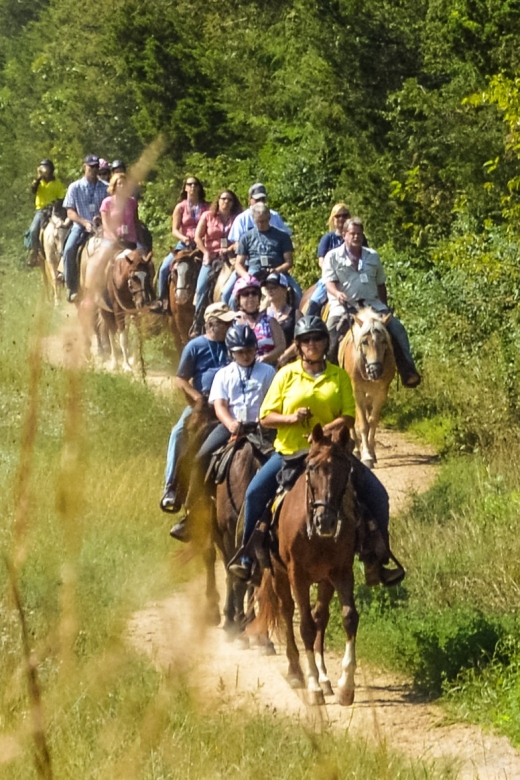
No previous riding experience is required. That does not mean you should treat the ride casually. You will still need to listen to the staff, follow simple instructions, and stay aware of the horse in front of you.
The horses are described as gentle, sure-footed, and accustomed to trail work. Several riders have singled out their calm behavior, including the way they stay in line and stop with the group. The staff also pay close attention to the animals, providing care suited to the weather and checking that riders and horses remain comfortable.
The matching of horse and rider matters. A confident rider may want a different feel from someone who is nervous or rusty. Staff have been praised for patiently helping people get situated and for making adjustments to saddles and stirrups. If you are anxious, say so plainly before the ride begins. That gives the team a better chance to place you with a suitable horse.
All riders under 18 must wear a helmet. Riders aged 15 and under must also be accompanied by a parent or guardian. Children under 8 cannot take part. The activity is not suitable for pregnant people, people with mobility impairments, people with visual impairments, people with certain pre-existing medical conditions, or anyone over 250 pounds, listed as 115 kilograms.
Following the story through Gettysburg National Military Park
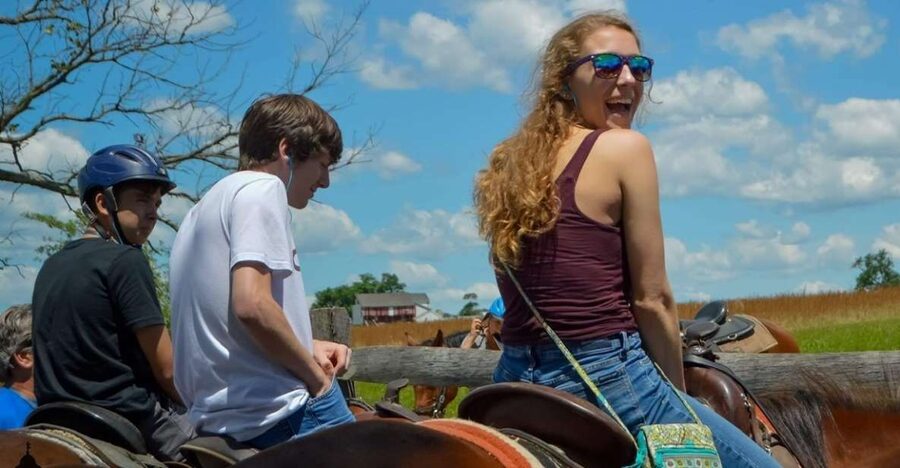
Once the group leaves the campground, the ride combines narration with views of the battlefield. The guide explains the soldiers, local residents, and decisions that shaped the fighting. You are given time to look around, but the story keeps moving with the horses.
Guides such as Andi and Truman have been praised for clear storytelling, strong Civil War knowledge, and a sense of humor. That combination is important. Gettysburg contains a great deal of information, and a guide who can explain the action in plain language will help you understand more than a list of dates and names.
The headsets are a practical touch. A horse tour is not a quiet walking tour, and the group may spread out along the trail. With audio equipment, you can hear the narration without needing to ride shoulder to shoulder with the guide. In the rare event that a live guide is unavailable, professionally recorded narration by Civil War commentators is provided instead.
Expect the ride to be educational but not rushed. The horse controls the pace, and the guide has to keep the story understandable for people with different levels of Civil War interest. If you are already an amateur military historian, you may want more battlefield coverage or more detailed tactical discussion. If you are new to Gettysburg, the mix of basic explanation and specific stops should work well.
More horseback rides around the USA:
- Half-Day Thoroughbred Horse Farm Tour in Kentucky
★ 5.0 · 1,924 reviews - Morning Horseback Ride with Breakfast from Las Vegas
★ 5.0 · 1,674 reviews - Red Rock Canyon Sunset Horseback Ride and Barbeque Dinner
★ 5.0 · 1,305 reviews - Unique Horse Farm Tours with Insider Access to Private Farms
★ 5.0 · 1,192 reviews
The Virginia Monument and Lee’s waiting point
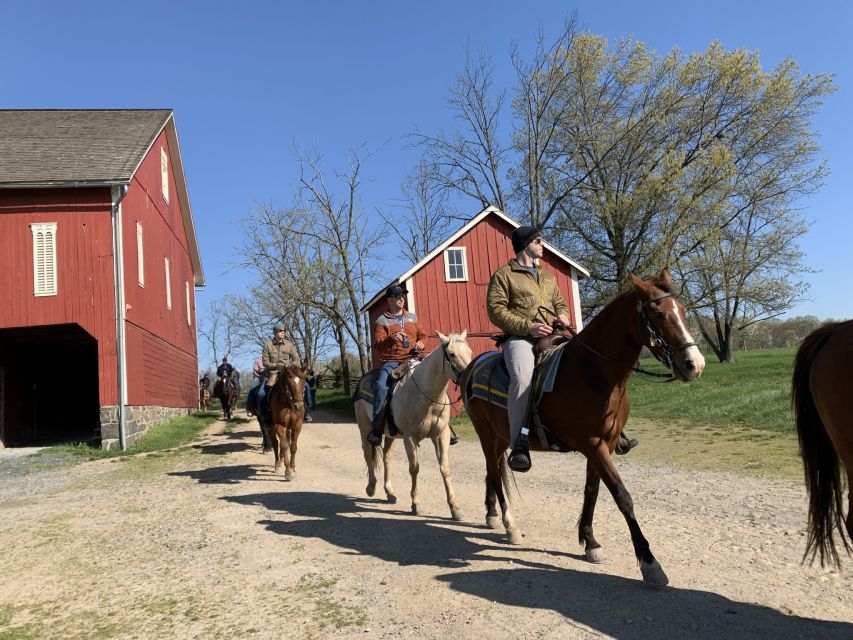
One of the important stops is the Virginia Monument. The site is tied to General Robert E. Lee and the aftermath of Pickett’s Charge. According to the tour description, Lee waited there for returning troops.
This stop gives the battle a human scale. Instead of hearing only about commanders in the abstract, you can picture a commander waiting for men to come back across open ground. The guide’s explanation helps connect the monument to the events around it, while the mounted position gives you a broad view of the surrounding fields.
Do not expect a long independent visit at every stop. This is a moving tour, so you will listen from the saddle and continue with the group. The benefit is that the route keeps the battlefield connected. The drawback is that you have less time to study a monument than you would on a self-guided car stop.
Spangler Farm and the view toward Little Round Top
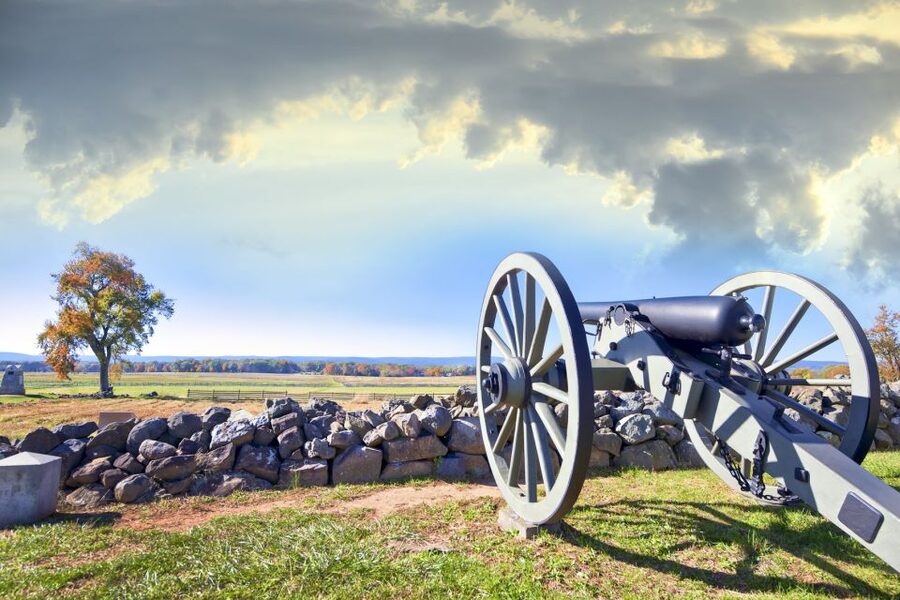
The route continues to historic Spangler Farm, where you can take in views toward the Peach Orchard and Little Round Top. This is one of the best parts of the ride for understanding distance and terrain.
From a map, military movements can seem neat and simple. On the ground, the relationships are easier to grasp. You can look from one area to another and begin to understand how far troops had to move, what commanders could see, and why a rise or open field mattered.
The view toward Little Round Top is also a reminder that Gettysburg is not one single field. The park is a large collection of connected places, each with its own role. Spangler Farm gives you a broad pause in the ride, but it also shows why a two-hour route cannot cover everything.
If you want to stop often for photographs, this may feel brisk. You should take pictures when the group pauses, but the activity is built around the ride and narration rather than long free time at each viewpoint.
Crossing Emmitsburg Road to Trostle Farm
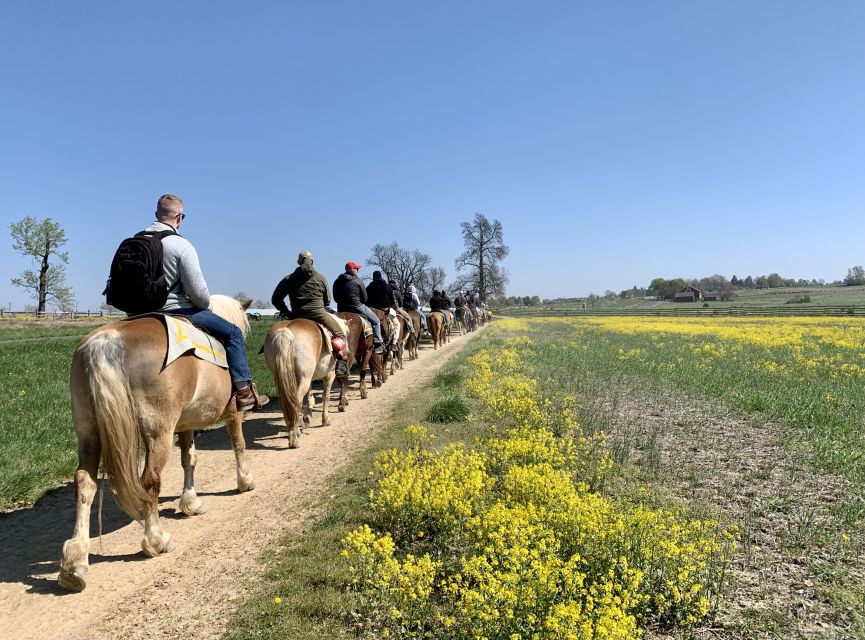
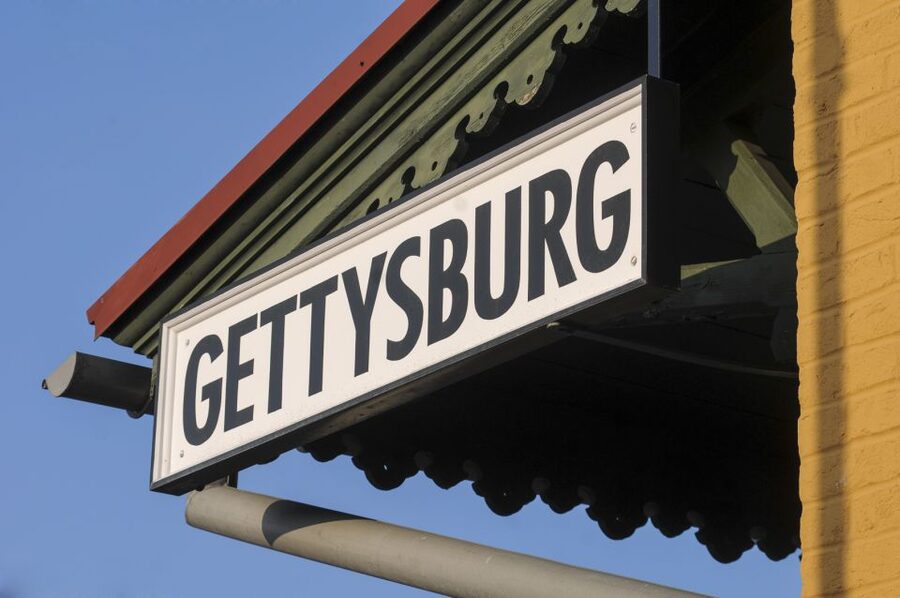
The tour then crosses Emmitsburg Road and reaches the Union side of the battle. This change in position helps you follow the shifting action instead of hearing about Confederate and Union forces as if they occupied one undifferentiated field.
Trostle Farm provides the most tangible visual detail of the route. The barn has a large cannonball hole in its side. That damage is easy to understand even if you know little about the battle. You are looking at a physical mark left by the fighting, not just a monument placed afterward.
The barn also brings attention to local residents and farm buildings caught in the battle. Gettysburg was not an empty stage. People lived and worked here, and farms became part of the military ground. That is one reason this stop adds depth to the ride.
The route does not cover the entire park, and some riders may wish it went farther or lasted longer. One practical way to handle that is to treat the horseback ride as one focused chapter of your Gettysburg visit, then use a car tour, museum visit, or additional park route for the rest.
What the two-hour pace feels like
Two hours is enough time to settle into the horse, hear a sustained account of the battle, and reach several important sites. It is also short enough to fit into a day that includes other Gettysburg activities.
The ride is not a fast gallop. You will move as part of a line, with the horses keeping to a controlled trail pace. That makes it accessible to beginners and easier for the outriders to monitor, but experienced riders may find it restrained.
The group format has another tradeoff. You receive safety support and a shared explanation, yet you do not control the route or speed. At times, horses may bunch together or leave a longer gap between riders. A little patience helps.
The weather can shape the day. Rain has not stopped riders from enjoying the history, but it adds discomfort and makes clothing even more important. Hot weather also requires care. Staff have been noted for attending to the horses in warm conditions, but you should still dress sensibly and be ready to spend two hours outdoors.
Is the $144 price fair?
At $144 per person, this is not the cheapest way to see Gettysburg. You are paying for more than a basic trail ride, though. The price includes the horse, outrider support, and a battlefield guide, along with the access and organization needed to ride through this historic park.
I think the value is strongest if you want both a riding experience and a guided history lesson. A beginner can enjoy the horse without arranging a private lesson, while a history-minded visitor gets a guide who explains the ground as the ride progresses. The chance to see places such as Spangler Farm and Trostle Farm from the saddle gives the outing a quality you cannot get from a standard drive-by tour.
The value is weaker if your only goal is maximum battlefield coverage. A car tour or self-guided route can reach more sites and let you linger longer. This ride is about the way you see the park, not the number of monuments you check off.
Free cancellation up to 24 hours before the start and reserve-now, pay-later booking add flexibility. Still, the rain-or-shine policy means you should check the forecast and pack for conditions rather than assume poor weather will cancel the ride.
Who will enjoy this ride most?
I would recommend it to families with older children, couples, first-time riders, and Civil War fans who want a different angle on Gettysburg. It also works well for someone who has already visited the park by car and wants to return with a slower, more physical way of seeing the fields.
The ride has been especially well suited to grandparents and grandchildren, provided the age rules are met. The guide’s storytelling can hold a young person’s attention, while the staff help keep nervous or inexperienced riders comfortable.
Experienced riders should set expectations correctly. You will not be given a long open stretch for independent riding. The horses follow a group route, and safety comes before speed. That may feel tame to a regular equestrian, but it is exactly what makes the ride workable for mixed ability levels.
I would skip it if you cannot tolerate outdoor weather, have a medical or mobility condition that makes mounting and riding unsafe, or want a complete tour of the park in one outing.
Final verdict: book it for the view, not just the ride
I would book this tour if you want Gettysburg to make more sense under your eyes and beneath your horse. The strongest parts are the calm horses, attentive outriders, clear headsets, and guides such as Andi and Truman, who turn the route into a readable story.
Go in knowing that the ride covers only a small section of the battlefield, may backtrack, and costs more than a basic driving tour. For the right visitor, that price buys a memorable way to understand the ground. Pair it with a broader park visit, wear closed-toe shoes, and let the slow pace do its work.
FAQ
Where does the horseback tour meet?
The tour meets at McMillan Woods Campground in Gettysburg, Pennsylvania.
How long does the tour last?
The horseback tour lasts two hours.
How much does the tour cost?
The listed price is $144 per person.
Is horseback riding experience required?
No. Previous horseback riding experience is not required.
What locations does the route visit?
The route travels through Gettysburg National Military Park and includes the Virginia Monument, Spangler Farm, and Trostle Farm. You also cross Emmitsburg Road and see the cannonball hole in the Trostle Farm barn.
Can children take part?
Children under 8 cannot take part. Everyone under 18 must wear a helmet, and participants aged 15 and under must be accompanied by a parent or guardian.
Are helmets required?
All guests under 18 must wear a helmet. The provided information does not state that helmets are required for all adult riders.
What should I wear?
Wear weather-appropriate clothing and closed-toe shoes. Open-toed shoes are not allowed.
Does the tour operate in bad weather?
Yes. The activity takes place rain or shine, so you will be exposed to the day’s weather conditions.
Is a live guide included?
Yes. The tour includes an English-speaking live guide and English audio equipment. If a live guide is unavailable, professionally recorded narration by Civil War commentators is provided.
Are outriders included?
Yes. One or more outriders accompany the group throughout the tour to help support rider and horse safety.
Can I cancel for a refund?
You can cancel up to 24 hours in advance for a full refund.
Who should not take this tour?
The tour is not suitable for children under 8, people with visual impairments, pregnant people, people with mobility impairments, people with pre-existing medical conditions, or people over 250 pounds, listed as 115 kilograms.
New to the stable around the USA
- Contact us to book your time. Best Trail Rides in Arizona.★ 5.0 · 3 reviews
- A Day In The Old West Adventure including Horseback Ride and Cowboy Lunch★ 5.0 · 12 reviews
- 1-Hour Page Horseshoe Bend Trail Ride★ 5.0 · 8 reviews
- Champagne and Charcuterie Sunset Trail Ride★ 5.0 · 5 reviews
- 1 Hour Guided Horseback Trail Ride Rock Springs Run State Reserve★ 4.5 · 12 reviews
- Gypsy Gold Horse Farm Walking Tour★ 5.0 · 38 reviews
- 1-Hour Private Party Assateague Island Pony Cruise in Ocean City★ 5.0 · 19 reviews
- Assateague Horses, Herons and Happy Hour Cruise★ 3.5 · 2 reviews
USA Horseback Riding Tours, compared.
Morning Horseback Ride with Breakfast from Las Vegas
Read our review →
Red Rock Canyon Sunset Horseback Ride and Barbeque Dinner
Read our review →
Wild West Sunset Horseback Ride with Dinner from Las Vegas
Read our review →
Horseback Riding with Grand Teton Views in Jackson Hole
Read our review →
West Maui Mountain Waterfall and Ocean Tour via Horseback
Read our review →
2-Hour Horseback Riding through Red Rock Canyon
Read our review →
Maui Horseback Adventure at Circle M Ranch With Real Cowboys
Read our review →
Horseback Riding on Scenic Texas Ranch near Waco
Read our review →Browse the lists this tour appears in