
Review · BISHKEK
Horse Trek to Kel Suu Lake
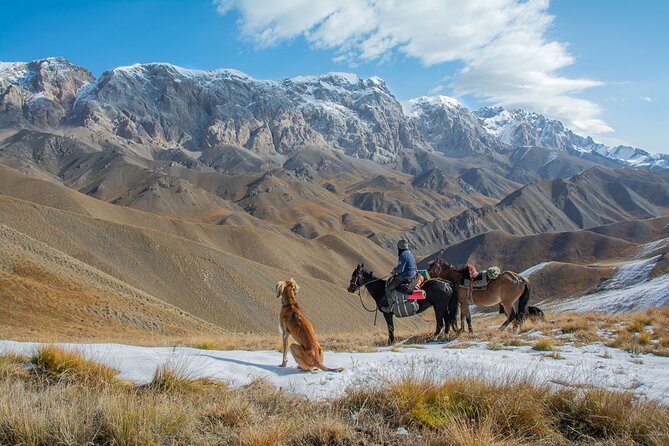
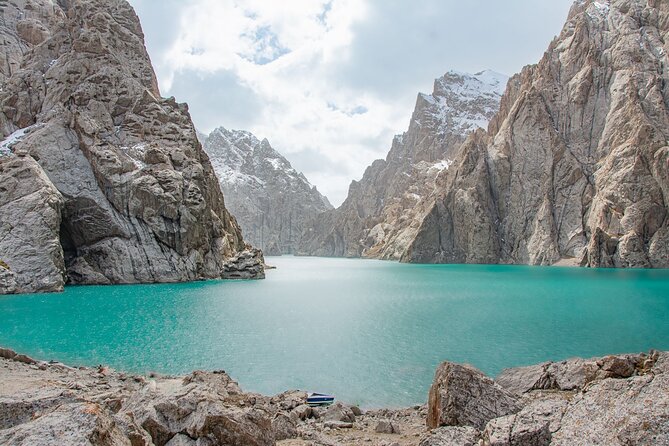
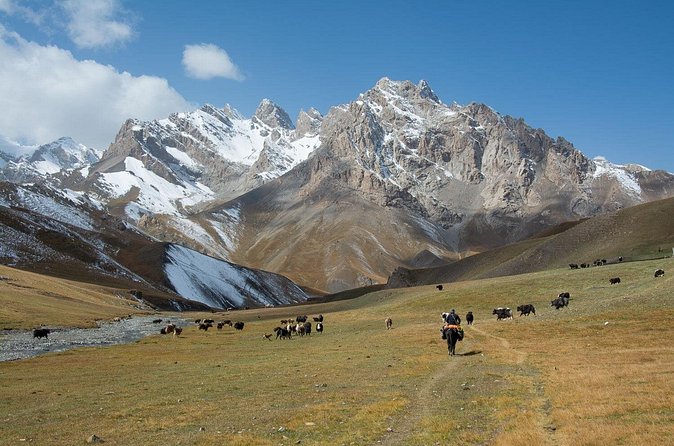
Kel Suu Lake is the reason to take this trip: a remote blue-green lake hemmed in by steep rock walls, reached on horseback through the high Tian Shan. The journey gives you far more than a photo stop. You cross open valleys, climb mountain passes, meet local horsemen, and sleep in the simple style of Kyrgyz mountain travel. Guide Sanjar is a major part of the experience, adding local knowledge, humor, and steady care along the way.
I like the route’s mix of riding and road travel, and I like that transport, meals, horses, horsemen, camping equipment, and the border permit are included. The small group, limited to eight people, should also make the days easier to manage. The trade-off is comfort: the trip includes long drives, basic accommodation, no sleeping bags or helmets, and enough climbing to require moderate fitness.
Key things to know before booking
- Kel Suu comes after the hard work: You reach the lake by horse, crossing Car Pass at 3,791 meters.
- The riding is substantial: The route covers 13 kilometers on Day 3, 18 kilometers on Day 4, and 12 kilometers on Day 5.
- Sanjar leads the trip: His role includes guiding, explaining the area, and helping keep the group comfortable and safe.
- You spend much of the trip in remote country: Kok-Kiya Valley and Ak-Sai Valley bring big views, few services, and simple overnight stays.
- The $1,400 price includes useful extras: Transport from Bishkek, five breakfasts, five lunches, five dinners, horses, horsemen, equipment, and a border permit are covered.
- Pack for practical mountain travel: Bring a sleeping bag, helmet, personal water, insurance, and money for drinks or other personal costs.
Why Kel Suu is worth the long road from Bishkek
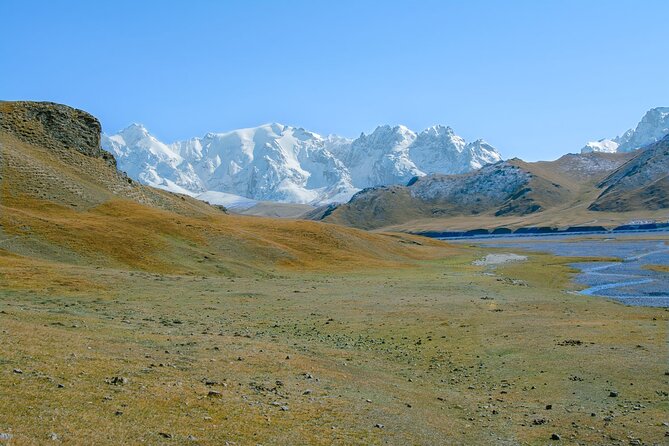
This is not a quick excursion from the capital. The first and last days each involve about 315 kilometers of driving, and the road into the high country takes time. That sounds tiring because it is, but the distance explains why Kel Suu feels remote rather than crowded.
The route runs toward Naryn, then onward through the Ak-Sai region and Kok-Kiya Valley. You pass through changing scenery, from settled valleys and small towns to broad high-country plains and sharp mountain walls. The road itself is part of the story. You get a sense of how far Kyrgyzstan’s best mountain areas are from its cities.
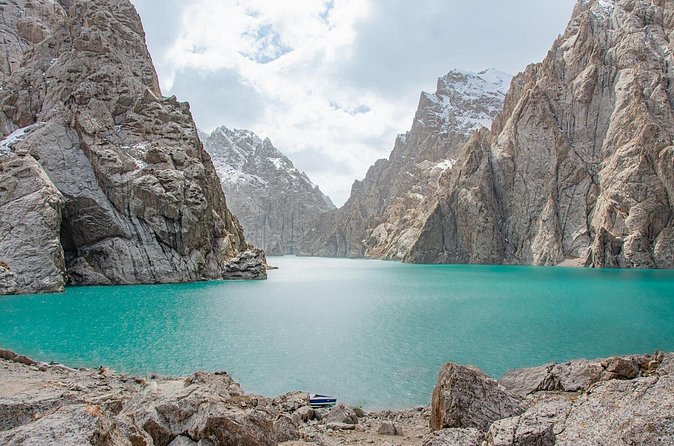
Kel Suu is especially striking because of its setting. The water sits among dramatic cliffs, and the high elevation gives the area a cool, stark character. The lake is not treated as an isolated attraction. You approach it slowly, on horseback, after crossing valleys and passes. That gradual arrival makes the destination feel earned.
I would choose this trip if you want a strong connection to the countryside rather than a polished resort experience. The emphasis is on horses, local people, open country, and simple camps. If you want frequent showers, easy roads, or a soft bed every night, this is the wrong kind of adventure.
More horseback rides around Bishkek:
- 4 Days Issyk Kul & Chon Kemin with Nomadic Stay, Horse riding
★ 5.0 · 41 reviews - 3 Days Issyk Kul lake & Chon Kemin: Eagle show, horse riding
★ 5.0 · 33 reviews - 2-Days in Song Kul Lake as Nomad – horseback riding & Yurt stay
★ 5.0 · 33 reviews
Day 1: Bishkek to Naryn, with 315 kilometers of road
You leave Bishkek after breakfast and drive toward Naryn. The trip includes a stop at Burana Tower, a notable roadside monument that breaks up the first long transfer. You also pass through valleys and small towns before reaching Naryn for the night.
The driving time is listed at about six hours, though mountain roads and stops can affect the actual schedule. This is a full transport day, not a gentle sightseeing morning followed by a short hop. Bring snacks, keep water within reach, and use the photo stops to stretch your legs.
Overnight accommodation is listed as a homestay. That matters because it offers a more local form of lodging than a standard hotel, but you should expect basic comfort. The tour information also refers to traditional yurt camps, while the equipment list includes a tent, mats, cooking gear, and gas. Since the exact sleeping arrangement can vary by night, I would confirm before departure which nights are in yurts, homestays, or tents.
Naryn is an important staging point for the horse trek. You are no longer simply taking a day trip from Bishkek. By the end of Day 1, you are positioned near the high country and ready for the more remote section.
Day 2: Crossing Bosogo Pass into Kok-Kiya Valley
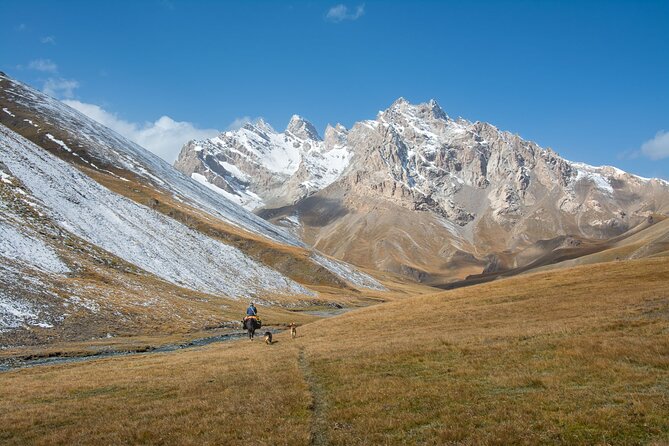
After roughly an hour of driving from Naryn, the route climbs through the switchbacks of Bosogo Pass. The road then opens into the Ak-Sai Valley, with high peaks around it. The transfer is about 140 kilometers and takes around three hours.
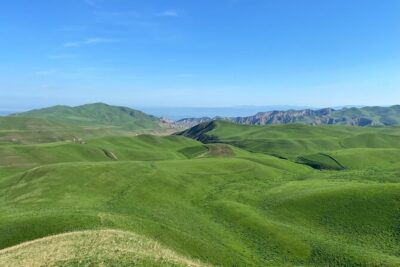
This is the day when the scale of the region becomes clear. The valley is wide, exposed, and framed by snow-capped mountains. You are still traveling by vehicle, but the road takes you into country that feels increasingly far from ordinary city life.
The Kok-Kiya Valley is your base for the next part of the trip. It is a good place to adjust to the altitude and prepare for riding. The itinerary does not describe a long horseback route on this day, so you have some time before the main riding begins.
Do not mistake the shorter drive for an easy day in every sense. The high country can be physically demanding even when you are not riding. The tour requires only moderate fitness, but you should still be comfortable with walking on uneven ground, handling changing weather, and spending long hours outside.
Day 3: Thirteen kilometers on horseback through Kok-Kiya
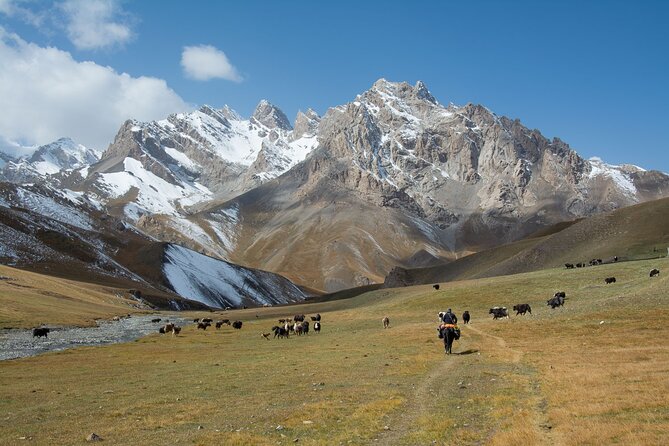
After breakfast, you meet your horse and receive a short riding briefing. This is useful even if you have ridden before, because mountain riding brings different concerns than a flat trail. You follow a route through the valley, crossing rivers and winding along mountain paths.
The riding distance is about 13 kilometers. The listed ascent is 514 meters, with 414 meters of descent, and the day lasts around six hours. Those figures tell you more than the distance alone. You will be climbing and descending for much of the day, so the pace should not be judged by kilometers.
This is where the horsemen matter. They handle the horses and help the group move through changing ground. The horses are described as well trained, and several reviews specifically praise the animals and the sense of safety provided by the horsemen and guides. Still, no horse trek is completely passive. You need to listen to instructions, stay balanced, and be ready for a full day in the saddle.
Kok-Kiya offers the kind of scenery that makes the riding worthwhile. The path follows water, crosses open ground, and gives you changing views as the valley narrows and widens. You are not simply being carried to a viewpoint. The route itself becomes the attraction.
Same saddle, a different trail:
- Horseback riding on the mountains of Chon Kemin National Park
★ 5.0 · 31 reviews - 1 Day Chon Kemin tour with Horse Riding
★ 5.0 · 28 reviews - A superb horse riding in Chon Kemin valley, 1 day
★ 5.0 · 27 reviews - 2 Days Issyk Kul Lake Canyons Horse Riding and Yurt Stay
★ 5.0 · 24 reviews
Day 4: Car Pass at 3,791 meters
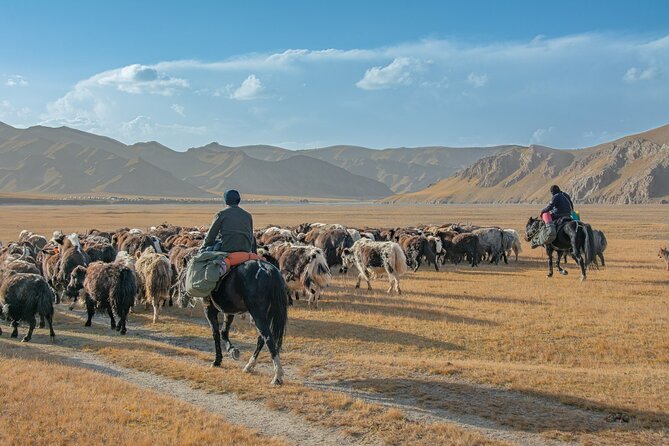
Day 4 is one of the more serious riding days. You cover about 18 kilometers and cross Car Pass at 3,791 meters. The listed ascent is 470 meters and the descent is 488 meters, with around six hours on the route.
At the top, the views open across the surrounding mountains. A pass crossing gives the day a clear purpose, but the high altitude also adds a practical warning. Weather can change quickly in mountain areas, and the air may feel thin. Bring warm layers, sun protection, and gloves even if Bishkek is warm when you leave.
The descent can be as demanding as the climb. If your legs or back are not used to riding, you may feel it by the end of the day. The tour’s moderate fitness requirement is worth taking seriously. You do not need to be an expert rider, but you should be comfortable spending several hours on a horse and moving over uneven terrain.
This is also a day when the small group helps. With no more than eight people, the guide and horsemen can keep track of different riding speeds and comfort levels more easily than on a large departure. The group size does not remove the physical demands, but it should make the logistics less clumsy.
Day 5: Reaching Kel Suu Lake by horse
The final riding approach to Kel Suu covers about 12 kilometers and takes around three hours. The route includes another 140 kilometers of driving, with listed elevation changes of 180 meters up and 261 meters down. That combination suggests a mixed day, with time both in the saddle and on the road.
The lake is the visual reward: turquoise water enclosed by steep cliffs in a quiet alpine setting. The area feels remote because it is remote. You should not expect rows of restaurants, shops, or easy services beside the water.
The shorter riding distance does not make the day unimportant. This is the point where the earlier transfers, valley riding, and pass crossings come together. You arrive with a clearer sense of the country around the lake, not just a quick glimpse from a vehicle.
The supplied details do not spell out how long you spend at the lake or exactly where you sleep that night. I would ask the operator about the viewing schedule, overnight location, and access conditions before booking. That is especially useful if the lake itself is your top priority.
Day 6: Returning to Bishkek
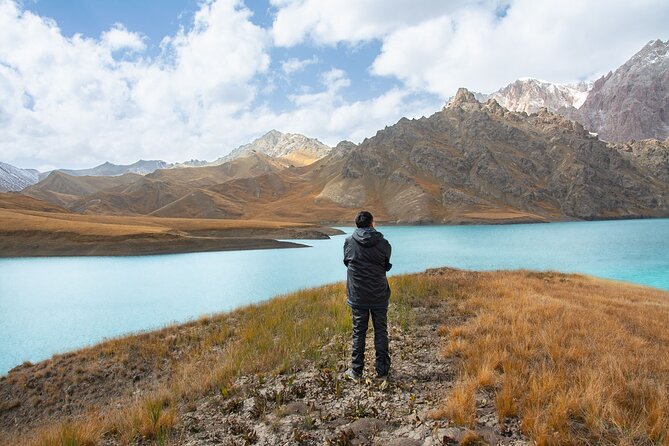
After breakfast, you begin the 315-kilometer drive back to Bishkek. The return takes about five hours, with scenic breaks and photo stops along the way. Arrival is expected by early afternoon, giving you some time in the city after the trip.
The final drive is long, but it is helpful that the tour ends back at the original meeting point on Frunze Street. You do not need to arrange a separate transfer from a remote finish. The pickup and return transport are part of the package.
The schedule can also help with onward plans, though I would avoid booking a tight flight or train connection on the same day. Mountain roads and weather can affect timing, even when the planned arrival is early afternoon.
What the $1,400 price covers
At $1,400 per person, this is not a cheap horse ride. The value depends on how much of the planning and remote logistics you want someone else to handle.
The package includes:
- Transport from and back to Bishkek
- A guide and horsemen
- Horses
- Tent, mats, gas, and cooking dishes
- Border permit
- Meals for the support staff
- Five breakfasts
- Five lunches
- Five dinners
That list covers the difficult pieces of arranging a remote Kyrgyzstan trip. Transport alone involves long road transfers, and the border permit is another task you would not want to handle casually. Horses, horsemen, food, and camp equipment also require local coordination.
You still pay for personal expenses, bottled water, coffee, soda, alcoholic drinks, insurance, sleeping bags, and helmets. Those exclusions are important. You should budget for your own drinks and bring or arrange the missing safety and sleeping items before departure.
For me, the price makes the most sense for someone who values a small group and wants a single organized package. The cost is harder to justify if you already have local transport, camping gear, horses, and a border permit arranged independently.
Lodging, food, and equipment in the high country
The trip uses a homestay on the first night and traditional yurt camps are part of the experience described for the journey. The equipment list also refers to tent camping. These details point to simple accommodation rather than hotel-style comfort.
The local side of the trip is one of its strongest features. Staying with herders or in basic camps gives you a closer look at Kyrgyz hospitality and daily life in the mountains. You should be ready for practical conditions, shared facilities, and fewer comforts than you would find in Bishkek.
Five breakfasts, five lunches, and five dinners are included. The information does not provide menus or describe special dietary arrangements, so ask about food needs before you leave. Bottled water is not included, and the tour specifically excludes other drinks, so plan carefully for hydration.
A sleeping bag is not provided. That is not a minor detail at high altitude, especially when the route includes camps and cold mountain nights. A helmet is also not included, which makes it worth asking the company what riding safety equipment is available and what you should bring yourself.
The guides and small-group feel
Sanjar is the named guide associated with this departure, and the trip gives him a central role. He leads the route, explains the area, brings humor to long days, and helps keep the group organized. The feedback also repeatedly praises Milran, the driver, for friendly service and comfortable minibus transport.
The horsemen are just as important. They manage the horses and help the group across rivers, passes, and uneven trails. The horses receive strong praise for being calm and well trained, but you should still treat the ride as an active outdoor experience.
A maximum of eight people is a good number for this route. It keeps the group personal without making the cost of support staff impossible. It also gives the guide a better chance to notice when someone needs a slower pace, a rest, or help with equipment.
Who should book this six-day trek?
I would recommend it to you if you:
- Want a real mountain journey rather than a short lake excursion
- Enjoy riding for several hours at a time
- Can manage high passes and uneven paths
- Are comfortable with homestays, yurts, or tent-style camping
- Want local guides, horsemen, and organized transport
- Value remote scenery and Kyrgyz hospitality more than hotel comfort
I would hesitate if you dislike long vehicle transfers, have little tolerance for basic accommodation, or need a private bathroom and a predictable schedule every night. The tour requires moderate physical fitness, and that requirement should be treated as a genuine condition rather than a formality.
The operating season listed is July 1 through September 15, 2026. The experience also depends on good weather and a minimum number of participants. If conditions force a cancellation, you are offered another date or a full refund.
Should you book the Horse Trek to Kel Suu Lake?
Book this trip if you want the full route to Kel Suu, not just a quick photograph beside the water. The strongest reasons are the carefully arranged transport, small group, experienced horsemen, local accommodation, and the chance to cross high mountain country on horseback.
The main decision is comfort. At $1,400, you are paying for access, logistics, support, and a remote route, not luxury. Bring a sleeping bag, helmet, water plan, warm clothing, and realistic expectations about long drives and simple camps. If that sounds like the right kind of challenge, this is a powerful way to see Kyrgyzstan’s high country.
FAQ
Where does the Horse Trek to Kel Suu Lake start?
The tour starts at 573 Frunze Street in Bishkek, Kyrgyzstan.
Where does the tour end?
The activity ends back at the meeting point in Bishkek.
How long does the experience last?
The trip lasts approximately six days.
How many people can join the tour?
The tour has a maximum of eight travelers.
Is transport from Bishkek included?
Yes. Transport from Bishkek and back to Bishkek is included.
Are meals included?
Yes. Five breakfasts, five lunches, and five dinners are included.
Are horses and horsemen provided?
Yes. Horses and horsemen are included, along with a short riding briefing before the trek.
Is a border permit included?
Yes. The border permit is included in the tour price.
Are sleeping bags and helmets included?
No. Sleeping bags and helmets are not included.
What fitness level is required?
You should have a moderate level of physical fitness. The riding days include routes of 13, 18, and 12 kilometers, with substantial climbs and descents.
Can I cancel for a full refund?
Yes, if you cancel at least 24 hours before the experience starts. Cancellations made less than 24 hours before the start time are not refunded.
New to the stable around Bishkek
- Year-Round Adventure: 3 Days Horse Trek to Song Kul Lake★ 5.0 · 16 reviews
- Scenic Horse Riding tour to Chon Kemin Valley★ 5.0 · 3 reviews
- Chunkurchak Day Tour: Sky Bridge, Horse Riding and Archery★ 5.0 · 14 reviews
- 4 Days Issyk Kul & Chon Kemin: Horse Riding and Nomadic Yurt Stay★ 5.0 · 4 reviews
- A superb horse riding in Chon Kemin valley, 1 day★ 5.0 · 27 reviews
- From Bishkek Horse Riding in Arashan Mountains★ 5.0 · 4 reviews
- 2 Days Song Kul Lake tour with Horse Riding★ 5.0 · 4 reviews
- 2 Days Issyk Kul Lake Canyons Horse Riding and Yurt Stay★ 5.0 · 24 reviews
Bishkek Horseback Riding Tours, compared.
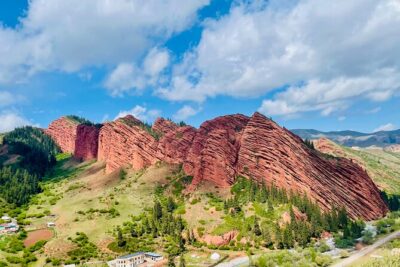
4 Days Issyk Kul & Chon Kemin with Nomadic Stay, Horse riding
Read our review →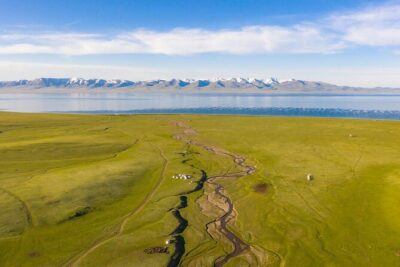
2-Days in Song Kul Lake as Nomad – horseback riding & Yurt stay
Read our review →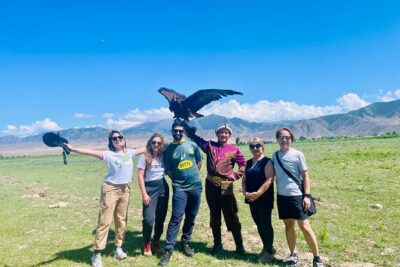
3 Days Issyk Kul lake & Chon Kemin: Eagle show, horse riding
Read our review →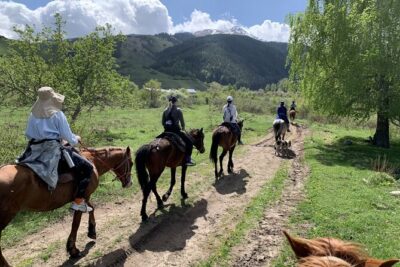
Horseback riding on the mountains of Chon Kemin National Park
Read our review →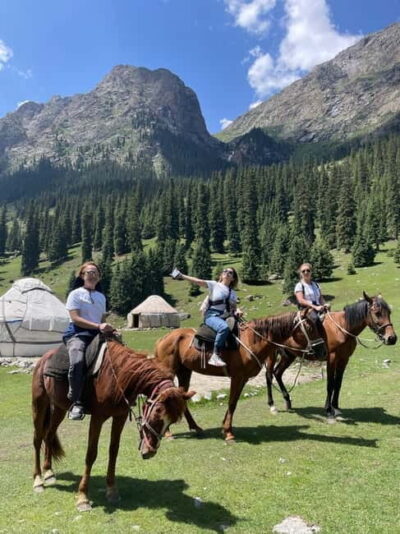
A superb horse riding in Chon Kemin valley, 1 day
Read our review →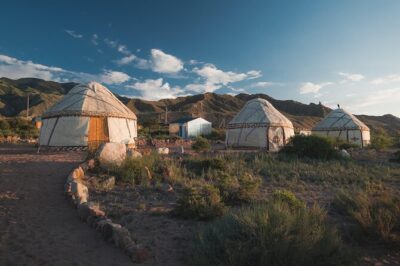
2 Days Issyk Kul Lake Canyons Horse Riding and Yurt Stay
Read our review →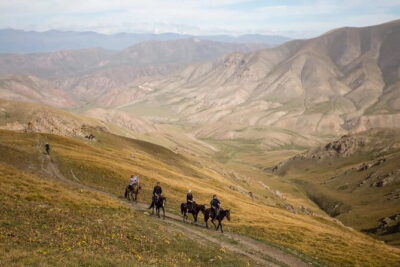
Year-Round Adventure: 3 Days Horse Trek to Song Kul Lake
Read our review →Browse the lists this tour appears in