
Review · CUSCO
Temple of the Moon Horseback Riding Tour with Transfer
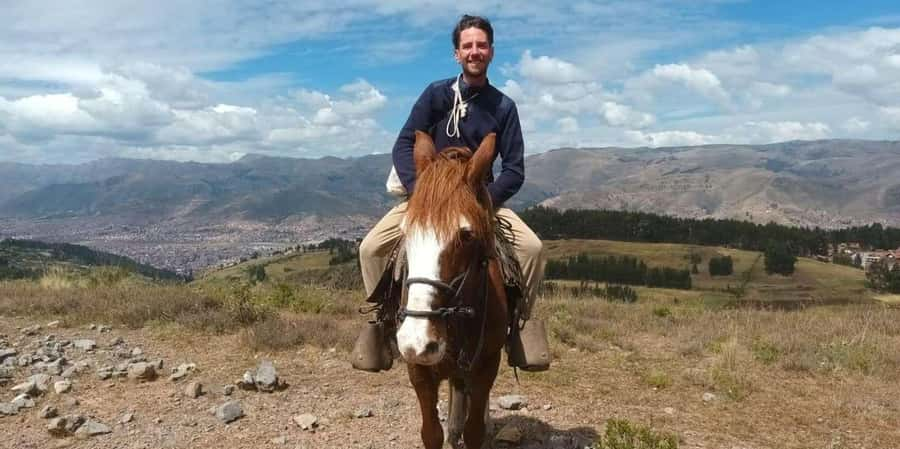
The most unusual part of this Cusco outing is reaching the Temple of the Moon on horseback, a place that is difficult to visit in quite the same way on a standard city tour. I like the chance to see the eucalyptus forest from the saddle, and I like that horses are matched to your riding experience.
You also get a second stop at Devil’s Balcony, plus transport from central Cusco for $75. The main drawback is that the site explanations may not be as detailed as the riding support, and road closures can affect the transfer.
Key points to know before booking
- Temple of the Moon by horseback: Visit a mountain site with caves linked to fertility worship.
- Eucalyptus forest scenery: The ride offers broad views around the outskirts of Cusco.
- Devil’s Balcony included: See a rock formation with a window above a river and cave.
- Suitable for beginners: The guide gives a riding lesson and stays nearby to help.
- Useful inclusions: Hotel pickup, drop-off, saddle, helmet, bilingual guide, and muleteer are covered.
- Plan for four hours: The tour costs $75 per person, with insurance not included.
Why this ride is different from a regular Cusco ruins tour
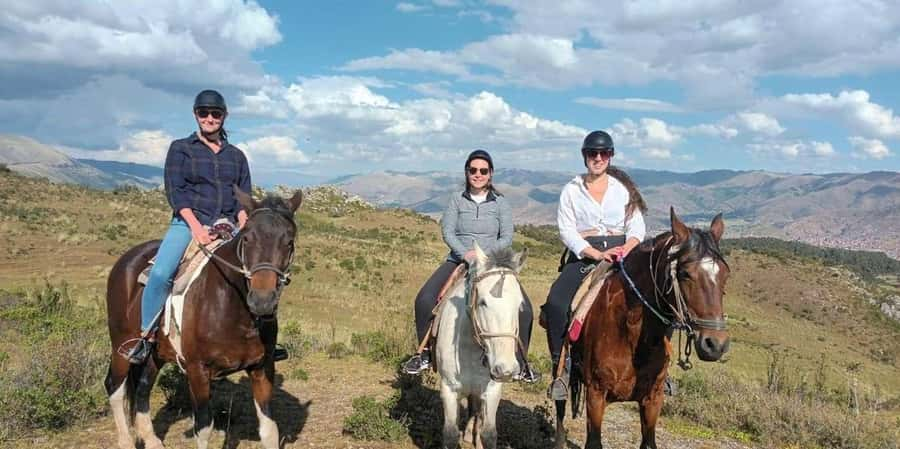
Cusco has no shortage of archaeological sites, but most are reached by car, foot, or tourist bus. This outing changes the pace. You leave the city center by vehicle, meet your horse at a ranch near Saqsayhuaman, then travel through open country toward two striking sites.
I like that the horse ride is not just an extra activity tacked onto a sightseeing tour. It is the way you move between the stops. The countryside becomes part of the visit, and the ride gives you a wider view of the hills, trees, and city below.
The tour is also practical for people who have never ridden. The guide gives you a short lesson on how to control the horse, and the animal is assigned according to your experience. A recent first-time rider found the lack of experience was no problem, which is useful reassurance if you are interested but uncertain.
Still, this is not the right choice if your main goal is a long, technical horseback ride. The stated duration is four hours, and that includes transfers, instruction, the sites, and the return trip. Think of it as a cultural outing with a scenic ride, not a full-day equestrian adventure.
More horseback rides around Cusco:
- Cusco: 3-Hour Horse Riding Tour to the Temple of the Moon
★ 5.0 · 105 reviews - Cusco: Half-Day Horseback Riding at Devil’s Balcony
★ 4.9 · 89 reviews - Horse Riding Chacan Mountain And Temple Of The Moon
★ 5.0 · 78 reviews
Leaving Cusco for the ranch near Saqsayhuaman
The tour begins with pickup at your hotel in central Cusco. From there, the vehicle takes you to a ranch near the archaeological zone of Saqsayhuaman. The ride from the city center to the Temple of the Moon area takes about 30 minutes, according to the activity details.
That transfer matters. You do not need to arrange a taxi to a distant meeting point, and the return can take you back to your hotel or the city center. At $75 per person, transport adds real value, especially if you are trying to avoid piecing together taxis, horse rental, and a local guide on your own.
Road conditions can affect the start. One booking had a transport problem caused by road closures, but the guides helped sort it out. I would allow a little flexibility around the scheduled timing rather than planning a tight connection immediately afterward.
The tour includes a bilingual guide in English and Spanish. No individual guide names are provided, so you should not book this expecting a particular person. The guide’s role is especially important at the start, when you learn the basic controls and get matched with a horse.
Meeting the horses and learning the basics
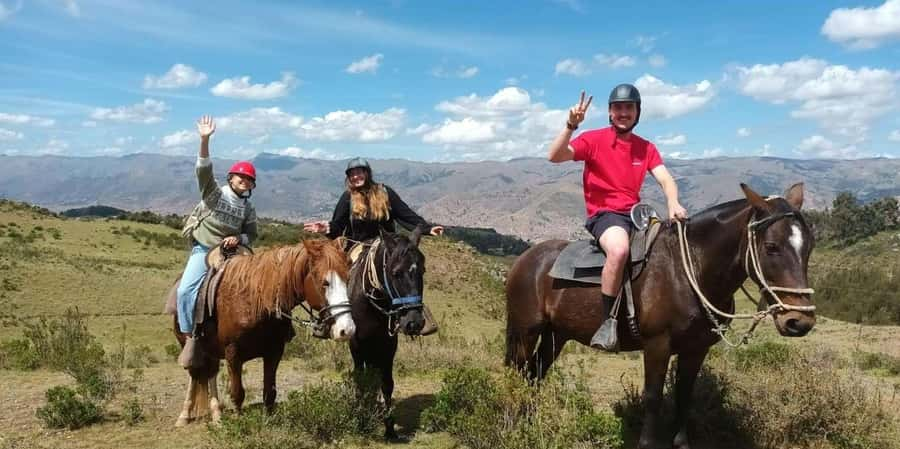
At the ranch, you meet the horses and receive a short induction before setting off. The guide explains how to handle and direct your horse, and the animals are assigned based on each person’s riding experience.
That matching process is one of the strongest practical features of the tour. A complete beginner can take part without needing previous lessons, while a more experienced rider can be paired in a way that better suits their ability. The guide remains with the group and can help when you need assistance handling the horse.
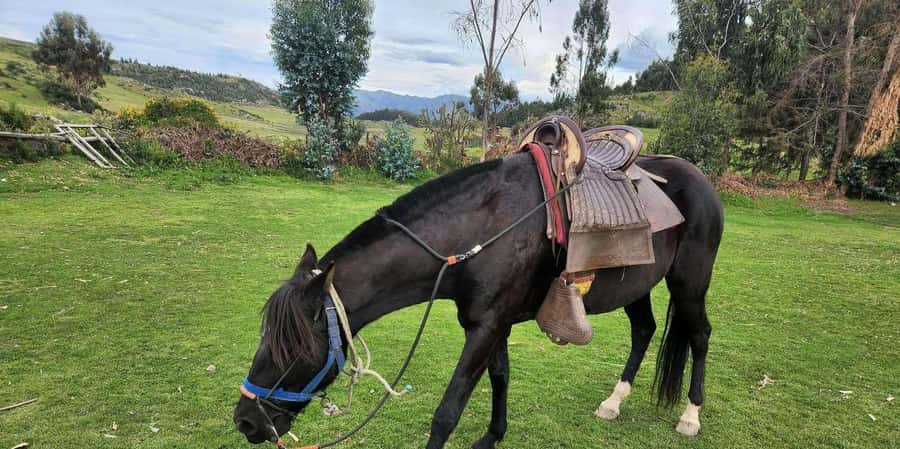
A saddle and safety helmet are included. A muleteer is also part of the service, adding another person to the riding support team. You should still treat the instruction as an introduction, not a full riding course. Pay close attention to how your guide asks you to start, stop, turn, and control your speed.
The available information does not specify the size of the group, the exact horse breeds, or how much time is spent riding compared with sightseeing. That makes the experience best for people who want a relaxed introduction rather than highly technical detail.
Reaching the Temple of the Moon on horseback
The first main stop is the Temple of the Moon, described as a large mountain with two caves inside. The site was probably used in connection with fertility worship. Its setting gives the visit a different feeling from the larger, more formal archaeological complexes around Cusco.
The horseback approach is part of what makes this stop special. One recent rider noted that the first site would not have been accessible in the same way without a horse. That does not mean no one can ever reach it by another route, but it does suggest that the horse is particularly useful here.
You will have time to explore the site, while the guide provides information about its purpose and setting. Expect the explanation to be useful but fairly brief. If you want a long archaeological lecture, this may leave you wanting more. If you prefer a shorter introduction followed by time to look around, the format should work well.
The caves and rock setting give the stop a strong sense of place. You are not simply looking at freestanding walls. The site is built into a mountain, and its connection to fertility beliefs helps explain why the caves mattered.
Keep your expectations in proportion. This is not a full-day archaeological tour with extensive interpretation at every corner. The appeal comes from the combination of horseback access, quiet surroundings, and a site that feels more intimate than Cusco’s headline ruins.
Same saddle, a different trail:
- Horseback Tour in cusco to Temple of the Moon & Hidden temples
★ 5.0 · 54 reviews - Horseback Riding Plus Tour to Sacsayhuaman, Quenqo, Puka Pucara and Tambomachay
★ 5.0 · 40 reviews - Half day Horseback Riding tour around Sacsayhuaman park
★ 5.0 · 37 reviews - Cusco: Rainbow Mountain Horseback Riding Tour + lunch
★ 4.1 · 10 reviews
Riding through the eucalyptus forest
After visiting the Temple of the Moon, you continue by horse through the eucalyptus forest. This is likely to be the most scenic section of the outing, especially if you enjoy seeing a place at a slower pace.
I like the way a forest ride breaks up the archaeological stops. Instead of moving directly from one ruin to another by vehicle, you have time to notice the route between them. The views toward Cusco and the surrounding hills are a major reason to choose this activity.
The ride is guided throughout. The guide can help with horse handling as needed, which is important for beginners who may feel unsure once the group gets moving. One recent booking specifically praised the guide’s steady help, including assistance with taking photos.
You should not expect to gallop or ride independently. The information describes a guided panoramic tour, not a fast or advanced ride. The pace will be shaped by the group, the horses, and the need to keep everyone together.
Wear clothing that allows easy movement and shoes suited to riding. The tour provides a saddle and helmet, but it does not include travel or activity insurance. That insurance gap is worth noting when you compare the total cost with other outdoor activities in Cusco.
Devil’s Balcony above the river
The second major stop is Devil’s Balcony, behind Saqsayhuaman. The attraction is a large rock formation with a natural window or balcony that looks over a river running below.
The river passes through a huge cave beneath the rock and continues to the other side. The formation is described as millions of years old, and in Inca times it was used as a sanctuary connected with worship of the gods.
This stop adds a different kind of interest from the Temple of the Moon. The first site is a mountain with caves tied to fertility worship. Devil’s Balcony combines natural rock, a river, a cave, and a built or adapted viewing point. The contrast makes the route feel varied rather than repetitive.
The setting also gives you strong photo opportunities. The guide can help with pictures, as noted by one recent rider, but it is wise to ask before handing over your phone and to keep a secure grip near the rock and river area.
The site information may be lighter than you hope. One person found the explanations of the different places could have been fuller. If details about Inca beliefs and construction are central to your trip, ask questions as you go. The bilingual guide is there to provide information, but the emphasis appears to be on safe riding and a smooth route as much as on formal archaeology.
How the guide affects the experience
The guide is the key to this activity. You need someone who can explain the horses clearly, keep the ride under control, and give enough background at both stops.
The available feedback points to strong support with the practical side. The guide stayed with the group, helped with horse handling, and assisted with photos. A first-time rider also found the guide kind and easygoing, which can make a real difference when you are nervous around horses.
The weaker point is the depth of site interpretation. You may receive important information about the Temple of the Moon and Devil’s Balcony, but not the same level of detail you would get from a specialist archaeological guide on a private tour.
That balance is not necessarily a problem. I would choose this experience for the ride, views, access, and personal support first. I would choose a different tour if detailed history is your top priority.
What $75 gets you
At $75 per person, the price sits in the middle of what you might expect for a four-hour guided activity that combines transport, equipment, animals, and two cultural stops.
The value is strongest if you want convenience. The price includes pickup and drop-off from central Cusco, a bilingual guide, saddle, helmet, and muleteer. You do not have to arrange separate transport to the ranch or rent riding equipment on your own.
The two sites also help justify the cost. You are not paying only for a short horse ride around a ranch. The route includes the Temple of the Moon, the eucalyptus forest, and Devil’s Balcony.
The price does not include travel or activity insurance. Add that to your own trip planning. Also remember that the four-hour schedule includes transportation and instruction, so the actual time in the saddle will be less than four hours.
The booking terms are flexible: you can cancel up to 24 hours ahead for a full refund, and you can reserve now and pay later. That is useful if your Cusco plans depend on weather, road access, or changes in your wider Peru itinerary.
Who should book this experience
I would recommend this tour to:
- First-time riders who want a guided and supported introduction
- Couples or small groups looking for a scenic change from walking tours
- People interested in lesser-known archaeological settings near Cusco
- Visitors who value hotel transfer and included riding equipment
- Anyone who likes combining nature, views, and cultural sites in one half-day
It is less suitable if you want a long, fast, or technically demanding horseback route. It may also disappoint you if you expect extensive archaeological commentary at every stop.
You should also be comfortable spending time outdoors and following riding instructions. The guide helps, but you remain responsible for listening carefully and handling your horse safely.
Practical details to keep in mind
The tour lasts four hours, with starting times based on availability. Pickup and drop-off are offered from the Cusco city center, and the return can be to your hotel or the city center according to your choice.
English and Spanish guiding are available. The included equipment is a saddle and safety helmet, while a muleteer is also provided. Insurance is not included, so check your own coverage before booking.
Road closures can interfere with transport, as happened on one recent outing. The guide team helped with that situation, but you should avoid booking this activity immediately before a flight, train, or other fixed departure.
The tour costs $75 per person. Since only two published ratings are available, the average score of 4.5 gives a useful but limited signal. The strongest pattern is clear: horse matching, beginner support, views, and the chance to see both sites without a large independent planning burden.
Should you book the Temple of the Moon horseback tour?
Book it if you want a relaxed half-day outside central Cusco, especially if you are new to horseback riding. The best reasons are the unusual approach to the Temple of the Moon, the eucalyptus forest views, the second stop at Devil’s Balcony, and the hands-on help with the horses.
Skip it if you need a specialist-level archaeological explanation or a serious riding challenge. The site commentary may be brief, and the four-hour schedule includes transfer time.
For most visitors, this is a good value when you want to combine scenery and culture without arranging every piece yourself. Go for the experience of reaching these nearby sites on horseback, not for a marathon ride or an exhaustive history lesson.
FAQ
How long does the horseback riding tour last?
The activity lasts four hours, including transportation, riding instruction, visits to the sites, and the return journey.
What places does the tour visit?
The tour visits the Temple of the Moon and Devil’s Balcony, with horseback riding through the eucalyptus forest between the sites.
Is hotel pickup included?
Yes. Pickup and drop-off are included from hotels in the Cusco city center.
Is horseback riding experience required?
No. The guide gives you a basic induction, and horses are assigned according to each person’s riding experience.
What languages does the guide speak?
The live guide is available in English and Spanish.
Are a saddle and helmet included?
Yes. The tour includes a saddle and safety helmets. A muleteer is also included.
Does the price include insurance?
No. Travel or activity insurance is not included.
How much does the tour cost?
The listed price is $75 per person.
New to the stable around Cusco
- Horseback Riding Plus Tour to Sacsayhuaman, Quenqo, Puka Pucara and Tambomachay★ 5.0 · 40 reviews
- Half day Horseback Riding tour around Sacsayhuaman park★ 5.0 · 37 reviews
- Rainbow mountain horseback riding tour + Buffet Lunch★ 4.1 · 7 reviews
- Cusco: Rainbow Mountain Horseback Riding Tour + lunch★ 4.1 · 10 reviews
- Rainbow mountain horseback riding tour + Buffet Lunch★ 3.8 · 9 reviews
- FULL DAY| MOUNTAIN OF COLORS ON HORSEBACK★ 5.0 · 4 reviews
- Cusco: Hidden Incan Temples Full-Day Horseback Riding Tour★ 5.0 · 2 reviews
- Cusco: Devil’s Balcony Horseback Ride★ 5.0 · 2 reviews
Cusco Horseback Riding Tours, compared.
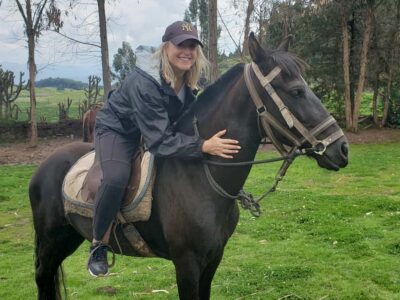
Cusco: 3-Hour Horse Riding Tour to the Temple of the Moon
Read our review →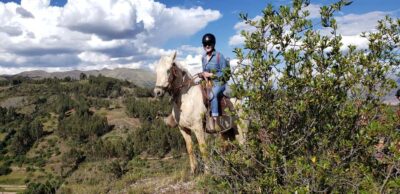
Cusco: Half-Day Horseback Riding at Devil’s Balcony
Read our review →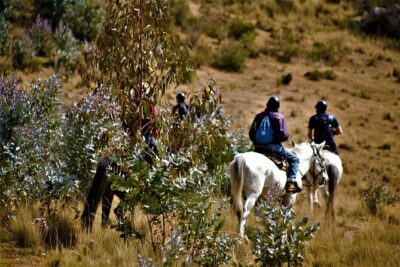
Horse Riding Chacan Mountain And Temple Of The Moon
Read our review →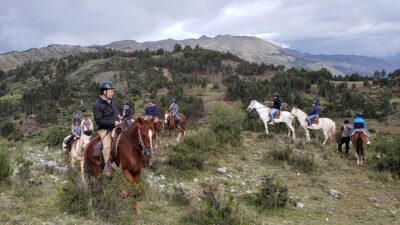
Horseback Tour in cusco to Temple of the Moon & Hidden temples
Read our review →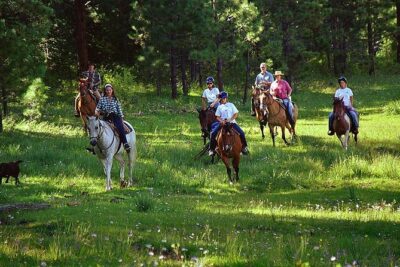
Horseback Riding Plus Tour to Sacsayhuaman, Quenqo, Puka Pucara and Tambomachay
Read our review →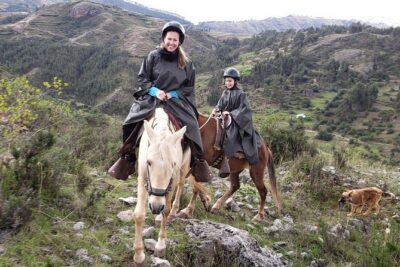
Half day Horseback Riding tour around Sacsayhuaman park
Read our review →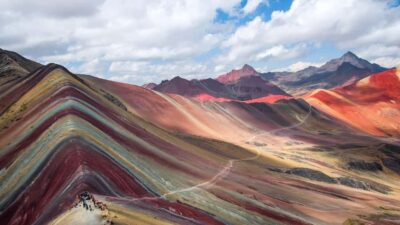
Cusco: Rainbow Mountain Horseback Riding Tour + lunch
Read our review →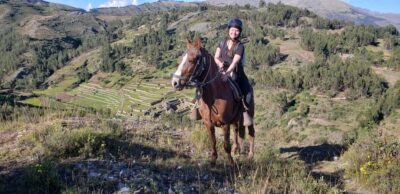
Cusco: Sacsayhuaman Guided Tour and 1-Hour Horseback Ride
Read our review →Browse the lists this tour appears in