
Review · CUSCO
Horseback Riding Plus Tour to Sacsayhuaman, Quenqo, Puka Pucara and Tambomachay
The best part of this Cusco outing is the mix: you get four major Inca sites by car, then trade the van for a horse and ride through open mountain country near the old capital. The horseback portion is scenic and beginner-friendly, while guides such as Benny, Benni, Hogler, and Jenny bring the archaeology to life with clear explanations.
I like the smart half-day format and the chance to see countryside that you would miss from a city tour. I also like that horses are matched to riding ability, with a muleteer caring for the animals and a guide setting the pace. The main drawback is simple: the ride lasts about an hour, not most of the four-hour outing, and the archaeological admission ticket costs extra.
Key points to know before you book
- Four Inca sites in one half-day: Visit Sacsayhuaman, Qenqo, Puka Pukara, and Tambomachay without arranging separate transport.
- About one hour in the saddle: The ride takes place at Vieja Estancia Ranch and does not continue through the protected ruins.
- Good for first-time riders: Helmets, saddles, a guide, and a muleteer are included, and the horses are matched to your confidence.
- Strong guiding is a major asset: Benny, Benni, Hogler, and Jenny are specifically praised for clear explanations of Inca architecture and customs.
- Budget for the site ticket: The Cusco Tourist Ticket is not included and is paid separately.
- Pack for mountain weather: Wear long pants and closed shoes, carry water and a rain jacket, and use sunscreen even on cloudy days.
Why this four-hour Cusco tour works
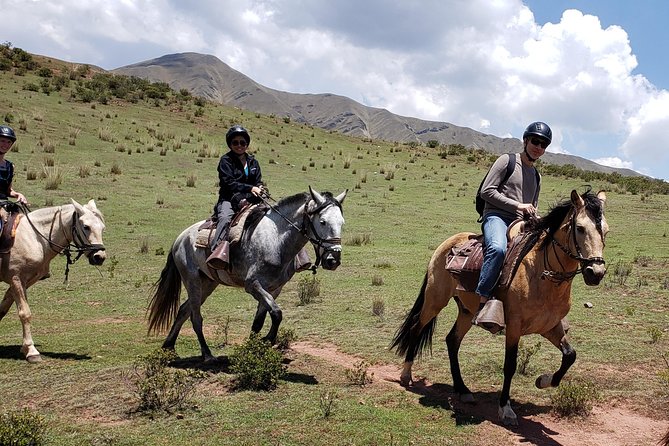
Cusco is full of tours that pile several ruins into a short schedule. This one adds an outdoor activity without turning the day into a demanding expedition. You ride at the ranch, then use private transport to reach the archaeological sites, so you get variety without spending four hours in the saddle.
I see this as a useful choice if you have only a short stay in Cusco. It covers four important places near the city and adds mountain views, sheep fields, open trails, and the novelty of riding a Peruvian horse. The tour is limited to a maximum of 15 people, though the exact feel will depend on the day’s group.
The balance matters. If you want a serious riding day, this is too short. If you want a practical introduction to horseback riding combined with archaeology, it makes much more sense.
The price is $95 per person. That is not the cheapest way to see the ruins, especially since the Cusco Tourist Ticket is extra. Still, the fee covers a private car, guide, horse, saddle, helmet, muleteer, and water. You are paying for an organized activity with several people involved, not just a transfer between ruins.
More horseback rides around Cusco:
- Cusco: 3-Hour Horse Riding Tour to the Temple of the Moon
★ 5.0 · 105 reviews - Cusco: Half-Day Horseback Riding at Devil’s Balcony
★ 4.9 · 89 reviews - Horse Riding Chacan Mountain And Temple Of The Moon
★ 5.0 · 78 reviews
Starting at Sacsayhuaman
Sacsayhuaman is usually the strongest architectural stop on this route. Its huge fitted stones show the scale and precision of Inca construction, and the site sits above Cusco with wide views across the surrounding mountains.
Give yourself time to look closely at the stonework rather than treating this as a quick photo stop. The value of the guide is clear here. A good explanation helps you understand why the walls matter, how the site relates to Cusco, and how Inca religious customs shaped the spaces you are seeing.
The tour does not rely on riding directly into the ruins. That is important. Horses are kept off the archaeological sites because hooves can damage the ground, so you explore Sacsayhuaman on foot and travel between stops by vehicle.
Reading the smaller sites at Qenqo
Qenqo is a different kind of visit. Instead of the vast stone walls at Sacsayhuaman, you encounter a site tied to ritual and religious practice. The carved rock and chambers make more sense when your guide explains how the Incas used sacred spaces.
I would pay close attention here, since Qenqo can be easy to underestimate if you are moving quickly. The guide’s explanation gives the stop its shape. Benny and Benni are praised for answering questions in clear language, while Hogler is singled out for his command of Inca archaeology and history.
This is also where a good guide can help separate what is established from what is interpreted. You are not simply walking around old stones. You are learning how the Incas connected rock, ceremony, water, mountains, and power.
Puka Pukara and the high road near Cusco
Puka Pukara has a more open, practical feel. Its position near the old routes from Cusco makes it easy to connect the site with movement, watchfulness, and the wider road system around the Inca capital.
The stop also gives you a strong sense of the terrain. You can see why the Incas built and traveled in this high country, and why views were part of the experience. The mountains are not background decoration here. They explain the location of the sites and the difficulty of moving people and supplies across the region.
Puka Pukara is one of the places where the transport arrangement helps. You can enjoy the view and the ruins without spending your energy on a long walk between attractions. That makes the outing manageable for families and for anyone still adjusting to Cusco’s altitude.
Same saddle, a different trail:
- Horseback Tour in cusco to Temple of the Moon & Hidden temples
★ 5.0 · 54 reviews - Half day Horseback Riding tour around Sacsayhuaman park
★ 5.0 · 37 reviews - Cusco: Rainbow Mountain Horseback Riding Tour + lunch
★ 4.1 · 10 reviews - Rainbow mountain horseback riding tour + Buffet Lunch
★ 3.8 · 9 reviews
Tambomachay and the role of water
Tambomachay is associated with water, fountains, and ceremonial use. Its channels and stonework offer a smaller, more intimate contrast to Sacsayhuaman, and the stop gives your guide another chance to explain the Inca connection between engineering and religious life.
I like the way this final archaeological visit rounds out the day. Sacsayhuaman shows strength and scale. Qenqo brings ritual space into focus. Puka Pukara suggests roads and movement. Tambomachay shows careful water management and ceremony.
The order can vary in practice, but the experience includes all four named sites. Since the tour lasts about four hours, you should expect focused visits rather than long, independent exploration at every ruin.
The horseback ride at Vieja Estancia Ranch
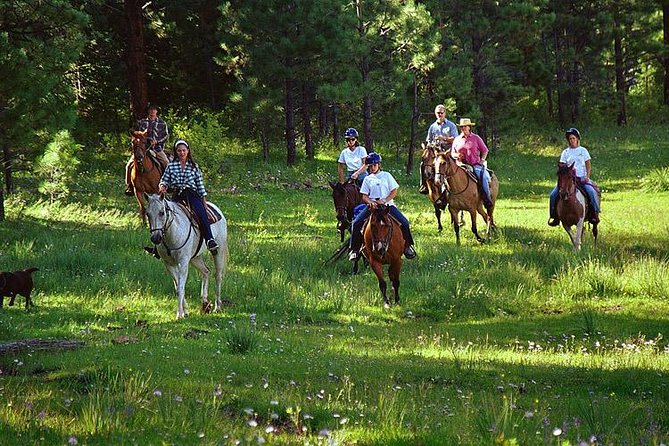
The riding takes place at Vieja Estancia Ranch, separate from the archaeological areas. This is not a horseback tour of the ruins. You visit the sites on foot and ride on a nearby route through the countryside, where the setting becomes the main attraction.
Expect roughly an hour on horseback. One account describes a ride closer to an hour and a half, but the clearest practical point is that riding is only part of the half-day. The rest includes driving and site visits.
The trail offers mountain views and unusual open scenery. You might pass through sheep fields and see smaller ruins within the surrounding national park area. The ride is often described as easy, with occasional trotting. The guide keeps the group together at the pace of the least experienced rider, while more confident riders may get a chance to move a little faster when conditions allow.
That arrangement is useful for mixed groups. A first-time rider can feel secure without holding back the entire outing, and an experienced rider may still get a little excitement. You should not expect a long gallop or a demanding mountain trek.
Why beginners usually feel comfortable
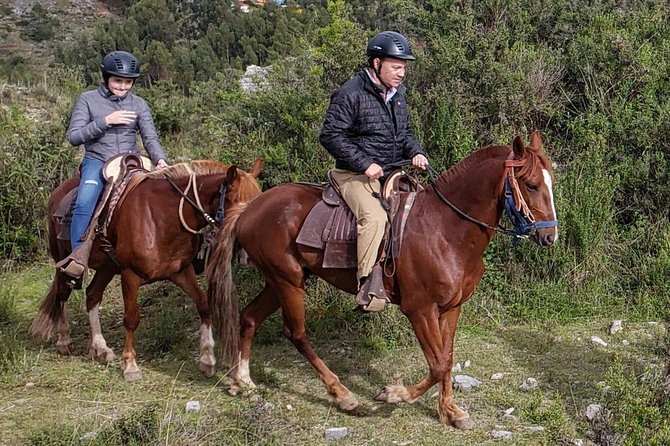
The tour is suitable for people with little or no riding experience, and the minimum age is six. Horses are matched to the ability and confidence of the rider, which matters more than fancy equipment on a short outing.
Saddles and safety helmets are included. A muleteer accompanies the ride to care for the horses, while the guide leads the group. The horses are repeatedly described as calm and well cared for, and the Peruvian horses are noted for a comfortable gait.
You still need to be honest about your comfort level. Tell the staff if you are nervous or have never ridden before. Wear long pants, preferably jeans, and closed shoes with rubber soles or walking shoes. Leave jewelry and valuables behind. The maximum weight is 200 pounds, or 90 kilograms.
The guide carries a first-aid kit for emergencies, but is not authorized to provide medication beyond basic first aid. That is a sensible detail to know, especially if you have specific medical needs.
Guides who make the archaeology easier to understand
The strongest part of this tour may be the guiding. Benny and Benni receive especially warm praise for explaining Inca history, architecture, and religion in accessible English. Hogler is also noted for his archaeology background, and Jenny is praised for making the day feel special.
I would book this tour for the guide as much as for the horse. The ruins are easier to appreciate when someone explains what you are seeing without drowning you in jargon. The best guides also answer badly phrased questions patiently, which is useful when you are trying to connect unfamiliar names and customs.
The guide can also add local suggestions beyond the formal itinerary. One guide offered advice about finding authentic food and dancing in Cusco. That kind of practical conversation can be worth more than another rehearsed speech.
What the $95 price really covers
At $95, this is a midrange half-day activity rather than a budget ruin tour. The extra archaeological ticket is the biggest cost issue to remember. A past participant put the fee at about 70 soles, while the operator explains that admission is controlled by the Peruvian government and must be paid directly.
The ticket being separate is not unusual, but it does make the advertised price feel less complete. Add that amount to your budget before comparing this with other Cusco tours.
On the other hand, the tour includes more than a basic minibus circuit:
- Round-trip transport from your hotel in a private car
- A professional guide
- A horse, saddle, and helmet
- A muleteer to assist with the animals
- Mineral or natural water
- Visits to four archaeological sites
- A horseback route through the countryside
Snacks are mentioned as a tour highlight, but they are not listed among the formal inclusions. One participant did not receive them. If a snack matters to you, bring your own rather than relying on it.
Weather, clothing, and altitude-friendly planning
Cusco weather can change quickly. Bring a rain jacket if the forecast shows a meaningful chance of rain, and use sunscreen even if the sky is cloudy. One couple regretted skipping sunscreen during an overcast day.
Long trousers protect your legs from rubbing and brush. Closed shoes give you a firmer position in the stirrups and are better for walking around the ruins. Avoid loose valuables and jewelry, since they can be lost or become uncomfortable while riding.
The tour requires good weather. If poor conditions force a cancellation, you are offered another date or a full refund. You can cancel for a full refund up to 24 hours before the start time. Within 24 hours, cancellation changes are not accepted and the payment is not refunded.
Who should book this half-day outing?
I would choose this for families with older children or teens, couples who want culture and activity in the same morning, and first-time riders who want a gentle introduction. It also suits solo visitors who prefer having transport and a guide arranged for the sites.
You will get the most from it if you enjoy asking questions and are happy with a moderate amount of structure. The day moves from site to site, so it is not designed for lingering alone at one ruin.
I would look elsewhere if your main goal is hours on horseback. The riding is the memorable outdoor part, but it is not the majority of the tour. I would also compare prices carefully if you only want to see the four sites, since the added horse operation makes this more expensive than a standard archaeology trip.
Should you book the Sacsayhuaman horseback tour?
Book it if you want a balanced Cusco morning with four major Inca sites, strong cultural guiding, and a gentle horseback ride. The views, comfortable horses, and careful matching of riders make it a good choice for beginners and families.
Skip it if you expect to ride from ruin to ruin or spend most of the day in the saddle. Go in knowing that the archaeological ticket is extra, snacks are not guaranteed, and the riding section lasts about an hour. With those details clear, the $95 price can make sense for a well-organized combination of transport, archaeology, and mountain riding.
FAQ
How long does the tour last?
The tour lasts approximately four hours. That time includes transport, visits to Sacsayhuaman, Qenqo, Puka Pukara, and Tambomachay, plus the horseback ride.
How long is the horseback riding portion?
The ride is about one hour, although one description places it closer to an hour and a half. It is only part of the tour, not the main activity for all four hours.
Are archaeological admission tickets included?
No. The Cusco Tourist Ticket is not included. You pay the admission cost separately, directly for entry to the public archaeological sites.
Is the tour suitable for beginners?
Yes. The activity is suitable for people with little or no riding experience. Horses are matched to riders, the pace follows the least experienced participant, and saddles and safety helmets are provided.
What should I wear for horseback riding?
Wear long pants, preferably jeans, and closed shoes with rubber soles or walking shoes. Bring a rain jacket if rain is possible, use sunscreen, and do not wear jewelry or bring valuables.
What is the cancellation policy?
You can cancel at least 24 hours before the start time for a full refund. Cancellations or changes made within 24 hours are not refunded or accepted. If poor weather causes the operator to cancel, you are offered another date or a full refund.
New to the stable around Cusco
- Half day Horseback Riding tour around Sacsayhuaman park★ 5.0 · 37 reviews
- Temple of the Moon Horseback Riding Tour with Transfer★ 4.5 · 2 reviews
- Rainbow mountain horseback riding tour + Buffet Lunch★ 4.1 · 7 reviews
- Cusco: Rainbow Mountain Horseback Riding Tour + lunch★ 4.1 · 10 reviews
- Rainbow mountain horseback riding tour + Buffet Lunch★ 3.8 · 9 reviews
- FULL DAY| MOUNTAIN OF COLORS ON HORSEBACK★ 5.0 · 4 reviews
- Cusco: Hidden Incan Temples Full-Day Horseback Riding Tour★ 5.0 · 2 reviews
- Cusco: Devil’s Balcony Horseback Ride★ 5.0 · 2 reviews
Cusco Horseback Riding Tours, compared.
Cusco: 3-Hour Horse Riding Tour to the Temple of the Moon
Read our review →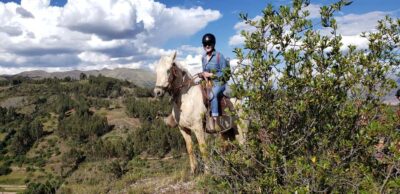
Cusco: Half-Day Horseback Riding at Devil’s Balcony
Read our review →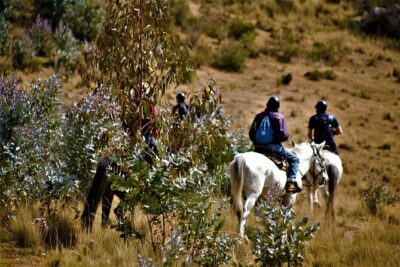
Horse Riding Chacan Mountain And Temple Of The Moon
Read our review →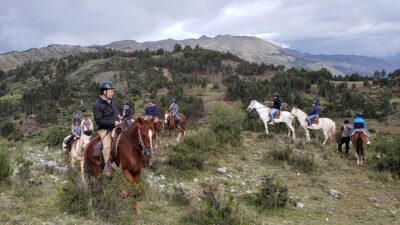
Horseback Tour in cusco to Temple of the Moon & Hidden temples
Read our review →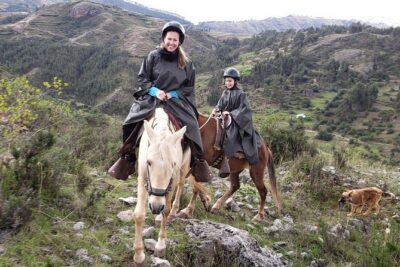
Half day Horseback Riding tour around Sacsayhuaman park
Read our review →
Cusco: Rainbow Mountain Horseback Riding Tour + lunch
Read our review →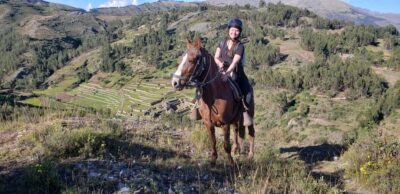
Cusco: Sacsayhuaman Guided Tour and 1-Hour Horseback Ride
Read our review →
Browse the lists this tour appears in