
Review · KYRGYZSTAN
Horse riding in Kyrgyzstan, Truly Nomadic Land
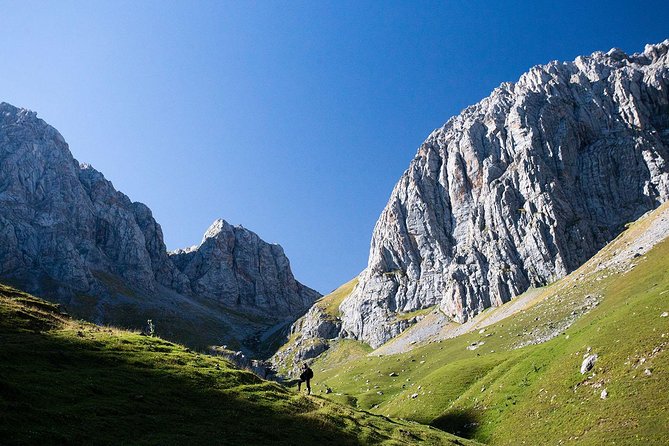
The best part of this Kyrgyzstan horse trek is the real access to nomadic life. You ride into the Alay Mountains, sleep in felted yurts, cross two high passes, and share meals prepared along the route. I especially like the tiny group of six and the way the trip includes a demonstration of milking and dairy making, not just mountain views. Simba, one of the guides, is also a skilled photographer. The main caution is the physical effort: five days in the saddle, steep climbs, long descents, and a moderate fitness requirement.
I like that beginners can join, since no past riding experience is required. I also like the practical setup: a horse carries up to 15 kilograms of your gear, while an English-speaking guide, horseman, hot drinks, and meals are included. You still need to bring or rent a sleeping bag, arrange your Osh hotel and transport to Kyrgyzstan, and accept that mountain comfort is simple.
Five things to know before you saddle up
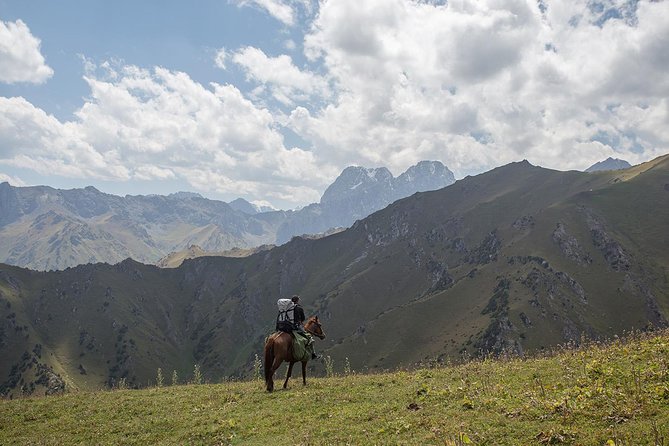
- The group is capped at six people, giving the guide more time to help with horses, riding technique, and the route.
- Airy Bell and Ak Tor passes provide the trek’s biggest mountain moments, with steep approaches and broad views from the summits.
- You ride between 12 and 18 kilometers per day, with daily climbs ranging from 613 to 1,218 meters.
- A pack horse carries up to 15 kilograms per person, so you do not need to carry your main luggage in the saddle.
- Nomadic culture is part of the route, including a demonstration of milking and making dairy products from horse and cow milk.
- The price is $1,020 per person, including transport, horses, guides, four nights of dinners and breakfasts, five lunches, and hot tea or coffee.
Five days across the Alay Mountains
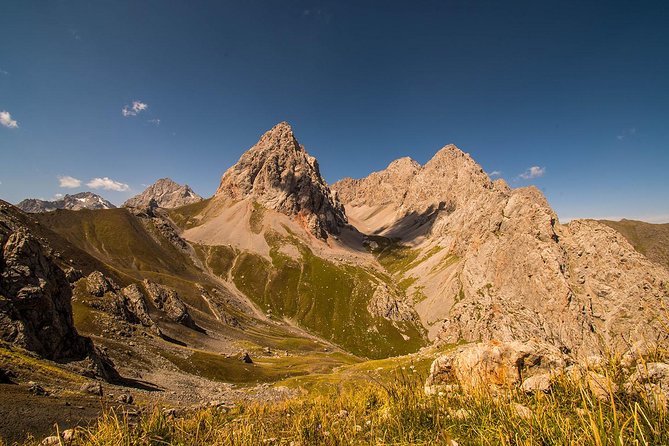
This is not a short horseback outing with a quick photo stop. You spend five days moving through the Alay Mountains, with riding days of about four to six hours. The route includes dirt roads, small mountain trails, river headwaters, high passes, and village roads.
The pace is shaped by the terrain. A day with only 12 or 13 kilometers can still feel demanding if the route climbs more than 1,000 meters. On other days, the descent is the bigger test. I would judge this trip by elevation gain and saddle time, not by distance alone.
The small group matters here. With no more than six people, you are less likely to spend the day waiting for a large group to mount, dismount, or cross difficult ground. It also gives the English-speaking guide and horseman a better chance to keep an eye on riders with little experience.
You begin from Osh, driving toward Gulcha along the Pamir Highway. Private transportation is included, which is useful in this remote part of Kyrgyzstan. The mountain riding begins after that transfer, rather than from the city itself.
More horseback rides around Kyrgyzstan:
- 4 Days Issyk Kul & Chon Kemin with Nomadic Stay, Horse riding
★ 5.0 · 41 reviews - 3 Days Issyk Kul lake & Chon Kemin: Eagle show, horse riding
★ 5.0 · 33 reviews - 2-Days in Song Kul Lake as Nomad – horseback riding & Yurt stay
★ 5.0 · 33 reviews
Day 1: From Gulcha to the Tepshi camp
The first riding day covers 12 kilometers, with a major ascent of 1,218 meters and only 154 meters of descent. That tells you what kind of trip this is: the opening day is not a gentle warm-up on flat ground.
After the drive from Osh to Gulcha, you follow a dirt road beside the Kara Bulak stream. The route continues toward the Tepshi camp. The stream gives the first section a clear line through the mountains, while the steady climb brings you quickly into a more remote setting.
You ride for about four hours. That is a manageable time in the saddle, but the climb can make the day feel longer than the distance suggests. If you are new to riding, use this first day to learn how your horse responds and how your body handles a full afternoon on the trail.
Your night is spent in a felted yurt. Yurts are not hotel rooms, and you should expect a simple mountain camp rather than private facilities and polished service. Still, sleeping in one gives the trip a direct link to the nomadic culture it presents.
Day 2: The steep approach to Airy Bell Pass
Day two covers 14 kilometers, with 613 meters of ascent and 1,087 meters of descent. The ride lasts about five hours and begins with a small trail from your yurt toward Airy Bell Pass.
The approach includes a steep, hour-long climb to the summit. This is likely to be one of the most memorable stretches of the trip, but it is also a point where beginners need to listen closely to the guide and take the terrain at a steady pace.
At the top, you get an impressive mountain view. The pass is not just a destination for photographs. It gives you a sense of the scale of the Alay range and shows how much height you gained from camp.
The descent is longer than the ascent in vertical terms. That matters. Going downhill can put more strain on your legs and lower back than you expect, particularly after several hours in the saddle. Take your time, keep your movements controlled, and do not treat the downhill as an easy finish.
I like the shape of this day because it combines a clear goal, a steep climb, and a major viewpoint. The tradeoff is that the pass requires effort, so this is not the right trip for someone seeking a relaxed scenic ride with little physical work.
Day 3: A slower morning with traditional dairy making
The third day includes 13 kilometers of riding, 1,020 meters of ascent, and 223 meters of descent. Riding takes around five hours, but the day begins with a cultural demonstration before you head onward.
You see how horse and cow milk are collected and turned into dairy products. This is one of the most valuable parts of the trip because it connects the food on your table with the daily work of the people who live with their animals. It also gives you a pause from the saddle after the demanding pass day.
After the morning activity, you descend from Sary Oi. The description of this day points to an easier beginning, followed by a substantial climb. Again, the kilometer count does not tell the whole story. More than 1,000 meters of ascent makes this a serious riding day even if the pace is unhurried.
This is where the trip feels less like sightseeing and more like a temporary change of life. You are not simply passing through a mountain valley. You are eating food prepared along the route, sleeping in yurts, and seeing how milk becomes part of the local diet.
Same saddle, a different trail:
- Horseback riding on the mountains of Chon Kemin National Park
★ 5.0 · 31 reviews - 1 Day Chon Kemin tour with Horse Riding
★ 5.0 · 28 reviews - A superb horse riding in Chon Kemin valley, 1 day
★ 5.0 · 27 reviews - 2 Days Issyk Kul Lake Canyons Horse Riding and Yurt Stay
★ 5.0 · 24 reviews
Day 4: Across the Ak Tor Pass
Day four is about 14 kilometers and six hours on horseback. You climb 757 meters and descend 1,283 meters, making this the largest downhill day of the trek.
The route crosses the headwaters of the river and turns south toward the entrance to the pass. A short but steep 500-meter ride takes you to the summit of Ak Tor. The climb is brief compared with the full day, but the steepness demands attention.
Once you reach the top, the reward is another high mountain viewpoint. Airy Bell and Ak Tor give the trek two distinct pass crossings, helping the five-day route feel like a journey rather than repeated rides around one camp.
The descent deserves respect. More than 1,200 meters of downhill riding can be tiring, especially after the uphill push. If your riding experience is limited, this is a good day to ask the guide about pace and posture. You do not need to prove anything to the horse or to the group.
The inclusion of a horseman is useful on terrain like this. You have both an English-speaking guide and a person focused on the horses and route. The precise division of duties is not specified, but the arrangement gives the trip more support than a ride led by one person alone.
Day 5: The final ride toward Murdash village
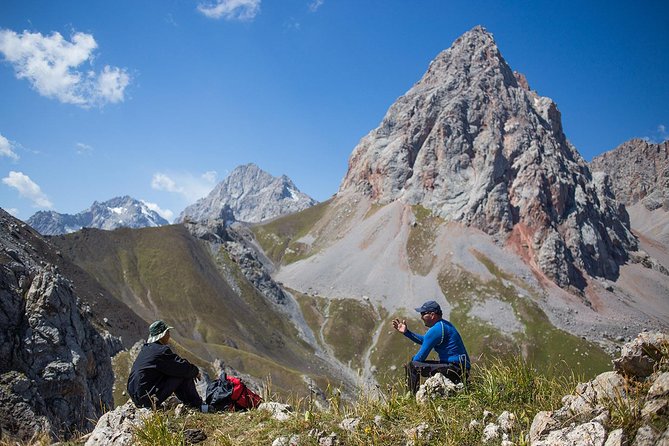
The last day covers 18 kilometers, the longest distance of the trek. It includes 846 meters of ascent and 1,515 meters of descent, with about six hours of riding.
You first ride toward Kosh Moinok Pass. After the final rise, the route winds down through the Murdash area and continues toward Murdash village. The repeated climbs and descents give the final day a fitting sense of scale, but they also make it the day when tired legs may be most noticeable.
The longer distance means you should keep something in reserve. The first four days have already included high passes and serious elevation changes. A steady pace is more useful than rushing early in the morning.
Finishing in a village also gives the route a practical ending. You move from high mountain camps back toward settled life, rather than simply turning around at the last viewpoint. The trek’s final impression comes from the route itself, not from a staged closing activity.
What the riding is really like for a beginner
You do not need previous horseback riding experience. That makes the trip open to a wider range of people, but it does not make the route easy.
You should have a moderate level of physical fitness. The daily program calls for four to six hours in the saddle, with steep climbs and long descents. Even a calm, well-handled horse cannot remove the strain of sitting, balancing, and moving through uneven mountain terrain.
If you are new to riding, the first day is important. Pay attention to the guide’s instructions and use the early hours to settle into the saddle. You may find the biggest challenge is not controlling the horse, but adjusting to several consecutive days of riding.
The small group is a real advantage for beginners. Six people leave room for individual help, and the horseman adds practical support. Still, you should not book this expecting a gentle introduction in a flat paddock. This is a mountain trek for beginners who are ready for a physical challenge.
Yurts, meals, and what you carry
The accommodation is in felted yurts each night. This is a central part of the experience, not an incidental feature. A yurt gives you a direct connection to the traditional shelter used across the region, but it also means you should be comfortable with basic conditions.
The package includes four breakfasts, five lunches, and four dinners. Hot tea and coffee are prepared with a gas stove. Home-cooked meals are part of the daily rhythm, and the dairy demonstration adds useful context to what you eat.
A horse carries up to 15 kilograms of your gear per person. That is generous enough to reduce the burden of packing, but you still need to think carefully about what you bring. The supplied information does not give a full packing list, so confirm practical details with Visit Alay before departure.
Sleeping bags cost an additional $30 per person. You should factor that into the price if you do not bring your own. Alcohol is not included, and services outside the standard program are charged separately.
Is $1,020 a fair price?
At $1,020 per person, this is not a budget day tour. It covers five days of horses and riding support, private transportation, an English-speaking guide, a horseman, a pack horse, meals, hot drinks, and yurt accommodation.
The value comes from the remote setting and the amount of support included. You are not paying only for time on a horse. You are also paying for the transport from Osh, route planning, animal handling, food supply, camp arrangements, and a small group capped at six.
The price looks stronger if you would otherwise need to arrange these pieces separately. Remote mountain transport and a pack horse are not minor extras, and an English-speaking guide makes the experience more workable for many international visitors.
You still need to pay for your hotel and meals in Osh, flights or other transport, insurance, tips, and possibly a sleeping bag. The $1,020 price should therefore be treated as the cost of the mountain program, not the full cost of a Kyrgyzstan holiday.
The guide and the personal touch
One of the guides named in the trip information is Simba. He is described as an excellent guide and a skilled photographer, which may appeal to you if you want strong images of the route as well as help on the trail.
Photography can be especially useful on a trip like this. You are handling a horse, watching the path, and managing your own energy. Having a guide who can also take photographs means you may return with better records of the passes and camps without trying to manage a camera at every stop.
The group size gives the guiding team room to make the experience more personal. That does not mean the schedule can change freely. The route includes fixed camps, mountain passes, and daily riding distances. But you should have more direct contact with the guide than you would on a large tour.
Who should book this trek?
I would recommend it to you if you want a physically active trip with a strong cultural element. It suits riders who are new to horseback travel but willing to work through several demanding days.
It is also a good match for people who value scenery, local food, yurts, and small groups more than polished comfort. The horse and dairy traditions are not side attractions. They are part of how the trip makes the mountains feel connected to daily life.
You may want to skip it if you dislike basic accommodation, long hours in the saddle, or steep descents. The route is not designed for someone who wants a soft adventure with guaranteed easy walking and hotel beds.
The season runs from June 10 through September 20 in 2026. You can cancel for a full refund up to 24 hours before the start time, but changes made inside that window are not accepted. Travel and health insurance are not included, so arrange those separately.
Should you book the Alay horse trek?
Book this if you want to see Kyrgyzstan at horse level, sleep in yurts, cross real mountain passes, and spend time with a very small group. The strongest features are the Alay scenery, the personal guiding, the pack horse, and the chance to see traditional dairy making rather than only hearing about nomadic life.
Think carefully about the elevation profile. Five days of 12 to 18 kilometers, with climbs as high as 1,218 meters and descents up to 1,515 meters, is a serious commitment. Beginners are welcome, but basic fitness and a willingness to ride for several hours each day are essential.
For the right person, this is a focused and memorable way to experience the Alay Mountains. For someone seeking comfort first, it will feel too demanding and too simple. At $1,020, the trip earns its price through logistics, support, meals, horses, and access to a remote part of Kyrgyzstan.
FAQ
Where does the horseback trek begin?
The mountain portion begins after driving from Osh to Gulcha along the Pamir Highway. The first riding route follows the Kara Bulak stream toward the Tepshi camp.
How long does the experience last?
The trek lasts approximately five days. Riding time is about four to six hours per day.
How many people can join the group?
The maximum group size is six people.
Do I need previous horseback riding experience?
No. Previous horseback riding experience is not required, but you should have a moderate level of physical fitness.
How far do you ride each day?
Daily riding distances range from 12 to 18 kilometers. The longest day is day five, at approximately 18 kilometers.
Which mountain passes are included?
The route crosses Airy Bell Pass and Ak Tor Pass. The final day also rides toward Kosh Moinok Pass.
What meals are included?
The price includes five lunches, four breakfasts, and four dinners. Hot tea and coffee are also included.
Do I need to bring a sleeping bag?
A sleeping bag is not included in the listed package. You can bring your own or pay $30 per person for one.
New to the stable around Kyrgyzstan
- Horseback Riding in Alay Valley★ 5.0 · 3 reviews
- 3 days horse back riding to Song-Kul lake whole year round★ 5.0 · 21 reviews
- Year-Round Adventure: 3 Days Horse Trek to Song Kul Lake★ 5.0 · 16 reviews
- Scenic Horse Riding tour to Chon Kemin Valley★ 5.0 · 3 reviews
- Chunkurchak Day Tour: Sky Bridge, Horse Riding and Archery★ 5.0 · 14 reviews
- Horse Trek to Kel Suu Lake★ 5.0 · 7 reviews
- 4 Days Issyk Kul & Chon Kemin: Horse Riding and Nomadic Yurt Stay★ 5.0 · 4 reviews
- A superb horse riding in Chon Kemin valley, 1 day★ 5.0 · 27 reviews
Kyrgyzstan Horseback Riding Tours, compared.
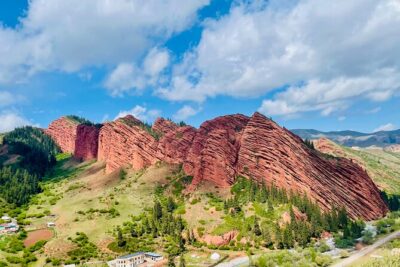
4 Days Issyk Kul & Chon Kemin with Nomadic Stay, Horse riding
Read our review →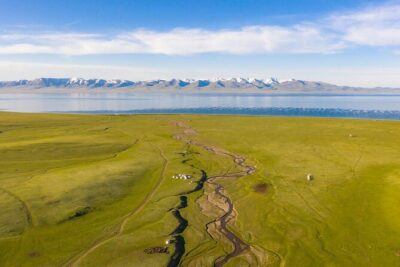
2-Days in Song Kul Lake as Nomad – horseback riding & Yurt stay
Read our review →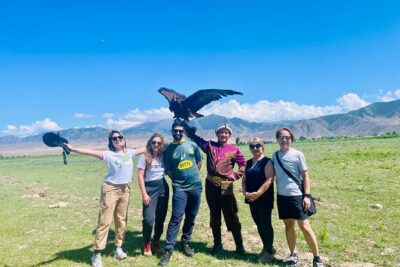
3 Days Issyk Kul lake & Chon Kemin: Eagle show, horse riding
Read our review →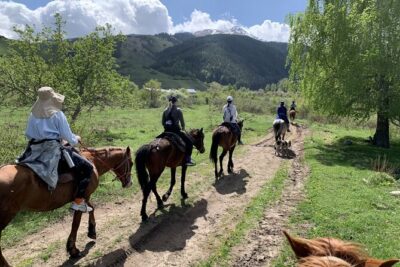
Horseback riding on the mountains of Chon Kemin National Park
Read our review →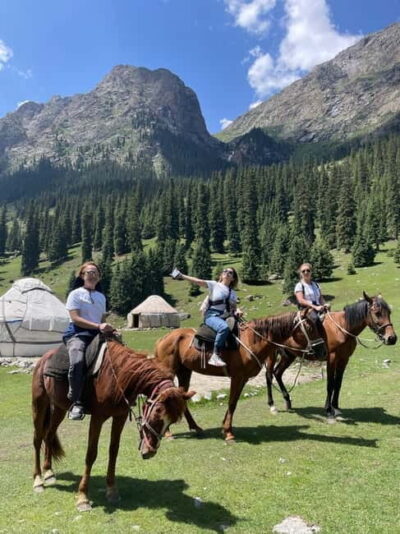
A superb horse riding in Chon Kemin valley, 1 day
Read our review →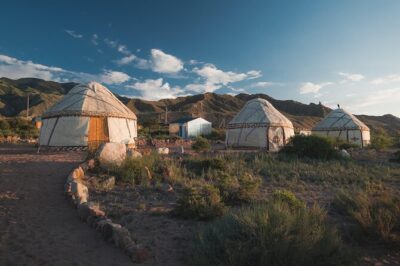
2 Days Issyk Kul Lake Canyons Horse Riding and Yurt Stay
Read our review →
3 days horse back riding to Song-Kul lake whole year round
Read our review →Browse the lists this tour appears in