
Review · MALAGA
Visita Entre Toros y Caballos
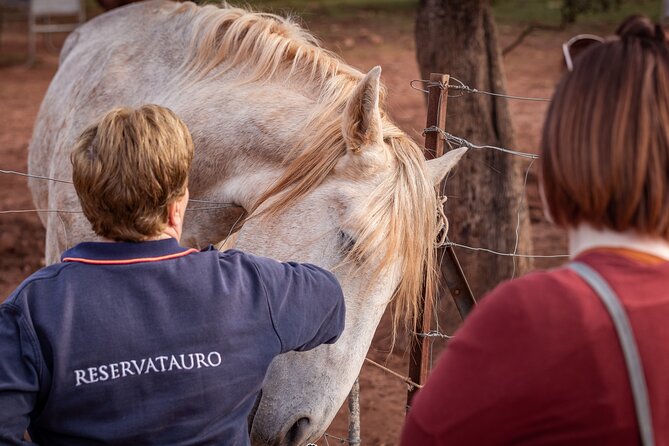
At Reservatauro Ronda, you get close to the working side of Spanish bull culture, not just the spectacle of a bullring. The visit takes you through a large ranch where fighting bulls, cattle, and Andalusian horses live across oak-dotted pasture in the Sierra de las Nieves UNESCO Biosphere Reserve.
I like two things right away: the animals are seen in their real setting, and the visit includes hands-on context inside the training ring. You do not simply look at a bull from behind a fence. You learn why animals are separated, how they are selected, and how a matador uses the capote and muleta.
The main point to check is the guide language and timing. The booking is sold as an English experience, but one English-speaking group was supplied with an audio guide and reading material while a French guide led another group. The advertised visit is about 1 hour 10 minutes, yet some visits lasted close to two and a half hours.
Key Points to Know Before You Go
- A real working ranch: Reservatauro raises fighting bulls and Andalusian horses rather than presenting a staged animal show.
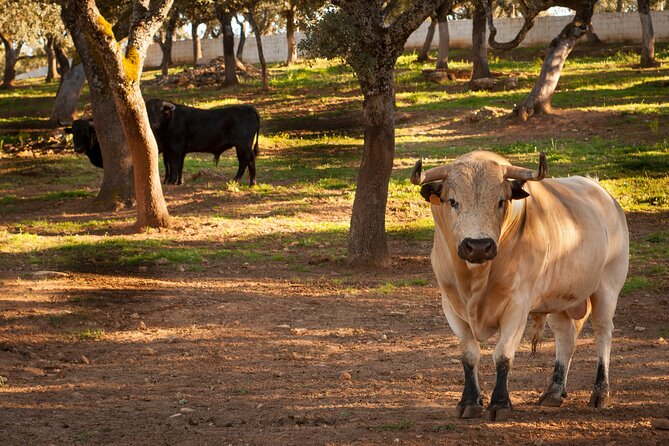
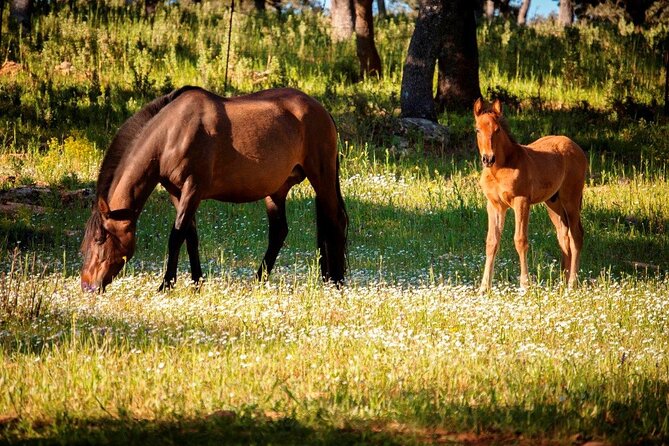
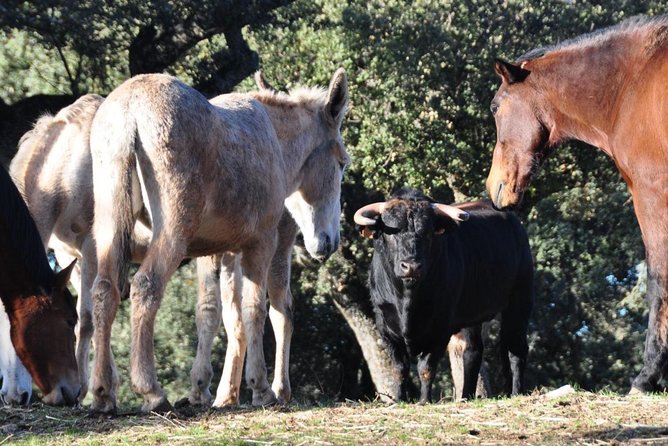
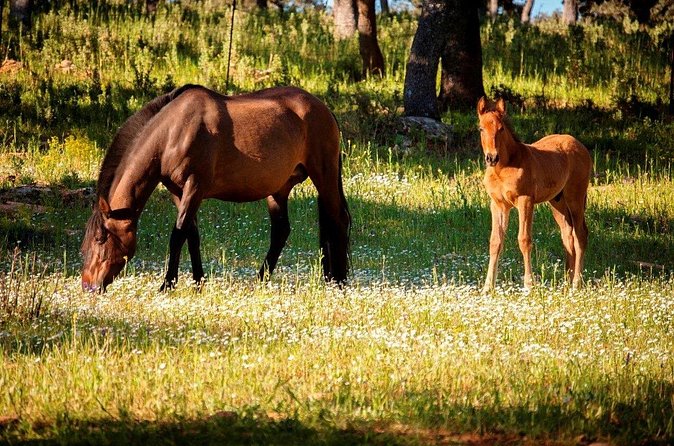
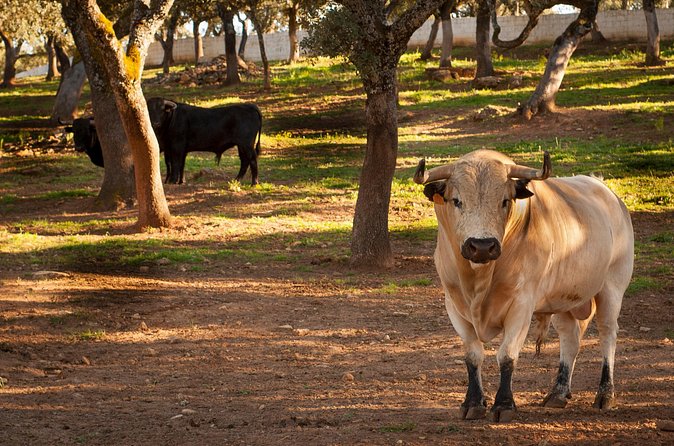
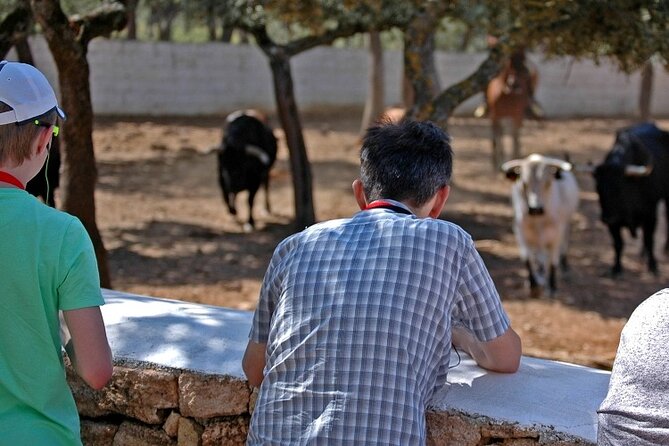
- Free-roaming animals: You may see bulls, cows, and horses spread across roughly 200 hectares, or about 500 acres, of oak pasture.
- A practical bullfighting lesson: In the practice ring, you can handle a capote and muleta and try a pass or two.
- Guides make a major difference: Frida, Desiree, Paloma, Paqui, Lara, and Isabelle have led visits in different languages.
- The visit may run long: Allow extra time beyond the stated 70 minutes, especially if the ranch tour includes the vehicle ride.
- A thoughtful choice for families: Children can see horses, cattle, stables, and open pasture, but the bullfighting subject may not suit every family.
What Reservatauro Adds to a Ronda Visit
Ronda is famous for its dramatic gorge, whitewashed streets, and bullring. Reservatauro gives you a different view of Andalusia, one rooted in agriculture, animal breeding, and family ranch life.
The setting matters. The ranch is covered with centuries-old holm oaks, the tough evergreen trees that define much of the Mediterranean pasture around Ronda. Instead of moving from exhibit to exhibit in a city museum, you travel through the animals’ home ground and see how much space the operation requires.
I find that useful because bullfighting can seem like an isolated tradition if you only watch a performance or visit an arena. Here, the focus is on the years before the ring: breeding, selection, training, care, and the way animals are grouped at different stages of development.
The ranch sits near Ronda, in the Malaga area, so it works best as part of a day in the surrounding countryside. The exact transport arrangements are not detailed, so you should check how you will reach the property before booking. The meeting time given for this experience is 12:00 noon.
More horseback rides around Spain:
- El Salobre: Horse Riding Adventure with Transfer Options
★ 4.5 · 2,034 reviews - Mallorca: Horseback Riding Experience with Food Options
★ 4.6 · 1,424 reviews - Jerez de la Frontera: Andalusian Horse Dance and Museums
★ 4.7 · 1,289 reviews
Inside the Bullring and Stables
The visit begins around the ranch buildings. Guides explain the history of the farm, the role of the breeding operation, and the basic steps involved in preparing fighting bulls.
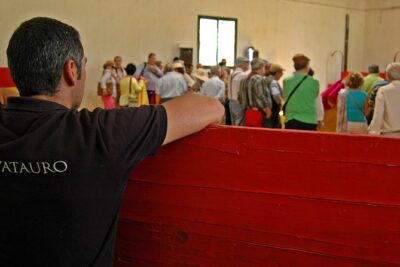
One of the first important stops is the testing bullring. This is not simply a decorative arena. It is where cattle are assessed and selected. You see the place where the ranch’s decisions about animals take shape, which gives the bullring a practical purpose beyond the public image of corrida.
You also visit the pens, where staff work directly with the animals. The details can vary with the guide and the day, but the basic lesson is clear: a fighting bull is not just an adult animal brought out for a few minutes. It is part of a managed breeding program that tracks development and behavior over time.
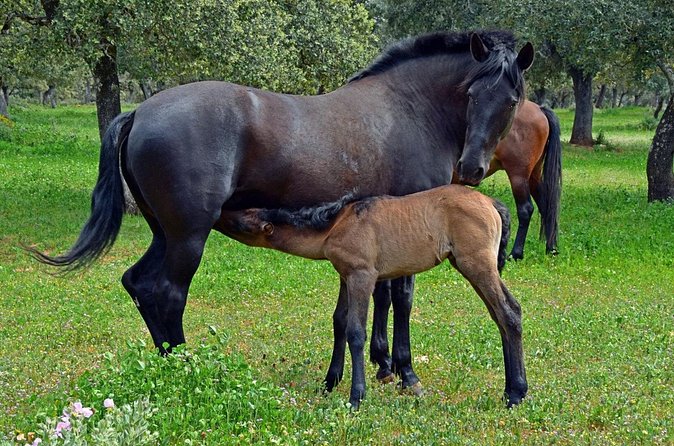
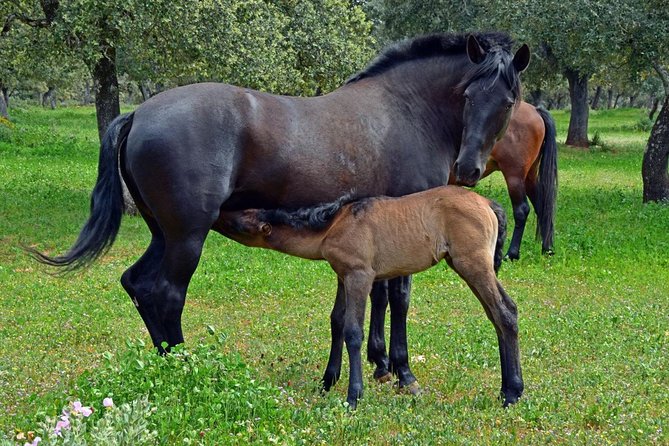
The stables bring the Andalusian horses into focus. The horses are a major part of the visit, and they often win over people who arrive mainly for the bulls. Several guides place strong attention on their care and beauty, making this a worthwhile stop even if you have little interest in bullfighting.
You may also meet members of the family involved with the ranch, including Rafael Tejada, the breeder and bullfighter associated with the property. That personal connection helps explain why the visit feels more like an introduction to a working home and business than a standard sightseeing attraction.
Riding Through the Oak Pastures
After the buildings, the visit continues through the ranch’s pasture. The tour uses a vehicle described as a truck towing a passenger trailer, sometimes referred to as a small train. It takes you into different sections of the property, where the guides explain which animals are being raised for breeding, fighting, or other stages of development.
This part gives you the clearest sense of scale. From near the buildings, it is easy to think of the ranch as a small collection of stables and an arena. Out in the pasture, you see that the operation covers a large area and that the animals are spread out rather than packed into a compact display.
The open setting is also the reason the experience may not feel fast-paced. You are looking across fields and oak trees, waiting for animals to come into view or hearing an explanation of what happens in a particular section. If you want a tightly scheduled attraction with constant action, this may feel slow.
I would treat the ride as a countryside outing, not a wildlife safari. You are visiting a working ranch, and the animals are not presented on demand. You might see bulls at different ages, cows, and horses in pasture, but the precise views depend on where the animals are that day.
A paper brochure may help you follow the route, especially if the guide is speaking another language. If your English visit uses an audio guide, the vehicle section can feel less engaging because you may hear another group’s live explanation without understanding it. Ask about the language format at the start so you know what to expect.
Trying the Capote and Muleta
The most participatory part of the visit takes place in the practice ring. Here you learn about two basic tools of the bullfighter: the capote, a large pink cape, and the muleta, the smaller red cloth used in later stages of the performance.
You may try a pass or two yourself. This is not a full bullfighting demonstration, and the attraction does not promise one. Instead, the exercise lets you understand the posture, movement, and timing behind a tradition that can otherwise seem mysterious from the seats of an arena.
For me, this is one of the strongest features because it changes the visit from a lecture into a physical lesson. Even a brief attempt shows how much control and precision the movement requires. It also gives families and first-time visitors something concrete to remember.
At the same time, you should know what is not included. The information provided does not promise a live bullfighting demonstration, a video presentation, or a staged animal performance. One dissatisfied visitor specifically wanted more visual demonstration and felt that the visit amounted to seeing an empty arena, horses, and bulls in fields.
That criticism is fair for some audiences. If you want an action-packed show, Reservatauro may not meet your expectations. If you want to understand how the ranch functions and how the tools are used, the practice-ring lesson adds worthwhile context.
Same saddle, a different trail:
- Jerez: Yeguada de la Cartuja Carthusian Horses Tour
★ 4.8 · 970 reviews - Jerez: Royal Andalusian School of Equestrian Art Admission
★ 4.6 · 882 reviews - Tenerife: Horseback Ride with Instructor
★ 4.4 · 836 reviews - Montserrat Monastery & Horse Riding Experience from Barcelona
★ 5.0 · 678 reviews
The Bullfighting Question
A visit to a fighting-bull ranch is not a neutral subject for everyone. The experience presents bull breeding and corrida as part of Andalusian culture, and it emphasizes the care given to the bulls and horses at the ranch.
Several guides explain how the animals live, how breeding works, and how the strongest or most suitable animals are selected. You hear the ranch’s point of view, including pride in its traditions and in its treatment of the animals.
You should still decide how comfortable you are with the larger bullfighting tradition. The tour does not erase the ethical questions around the sport. It gives you an inside look at the breeding and training system, including the tools used in the ring, but it is not designed as a debate about animal welfare.
For some people, that direct contact is precisely the value. You can learn about a major part of Spanish culture without attending a corrida. For others, even a behind-the-scenes visit to a fighting-bull ranch may feel too close to a practice they oppose. I would be clear about that before booking, especially with children.
Guides, Languages, and the Human Side
The guides are a big part of the experience. Frida is praised for explaining the ranch and its history with energy, while Desiree has led visits in English, German, and Spanish. Paloma, Paqui, Lara, and Isabelle have also guided visits in different languages.
Lara has led a French-language visit, and a German-speaking guide has explained the property and bullfighting traditions in detail. This suggests that Reservatauro works with a multilingual team, but it does not guarantee that every departure will have a live guide in your preferred language.
That distinction matters. The experience is offered in English, yet the language arrangement may change when groups are combined. One English-speaking party received an audio guide and printed material while a French-speaking guide led the rest of the group. The visitor felt left out during the ride, where the only live commentary was in French.
My advice is simple: confirm the English format when you arrive. Ask if you will have a live English-speaking guide for the full visit or an audio guide for part of it. A small group of no more than 15 people should make questions possible, but only if the language setup works.
The minimum booking is two people. That is useful to know if you are traveling alone, since you may not be able to reserve this experience by yourself unless another booking fills the minimum.
How Long Should You Allow?
The official duration is about 1 hour 10 minutes. That is a reasonable planning figure, but it may not tell the whole story.
A short version could include the buildings, ring, stables, and a condensed look at the property. Other visits have included the full vehicle ride through the ranch and lasted around two and a half hours. The difference may come from group size, language arrangements, questions, and the pace of the day.
I would not place this between two tightly timed attractions. Give yourself several hours around the noon start, especially if you have a restaurant reservation or a later activity in Ronda.
The small maximum group of 15 is a positive feature. You are less likely to be lost in a crowd, and the guide can usually respond to questions. Still, a small group does not guarantee a longer or more detailed visit. The experience depends on which route and guide are operating that day.
Is $36.16 a Fair Price?
At $36.16 per person, the price is reasonable if you want access to a working ranch, a guided introduction to breeding, a vehicle ride through a large property, and the chance to use the bullfighting capes.
The value is strongest for people who would otherwise spend time wondering how fighting bulls are raised or what happens behind the walls of a bullring. You are paying for access to a private agricultural operation and for the guide’s explanation, not just for admission to an arena.
The value is weaker if you expect a polished show. There is no stated promise of a welcome drink, video, live bullfight, or formal performance. You see animals in pasture and stables, which means the experience is authentic but not always dramatic.
The 4.8 rating from 120 reviews and the 93 percent recommendation rate reflect strong overall approval, but the lower scores point to the key weakness: English commentary may not always be live, and the visit can feel basic if you want demonstrations.
Free cancellation is available up to 24 hours before the start time. Changes or cancellations inside that period are not accepted for a refund. If the minimum number of participants is not met, the operator offers another date or experience, or a full refund.
Who Will Enjoy This Ranch Visit Most?
I would recommend Reservatauro Ronda to you if you like working farms, horses, rural traditions, and cultural experiences that explain how something is made or maintained.
It is especially suitable for:
- Families curious about horses and farm animals
- Visitors who want more context for Ronda’s bullfighting tradition
- Anyone interested in Andalusian ranch life
- People who prefer a small group to a large bus tour
- Visitors who enjoy scenery, open pasture, and a slower pace
The experience can work well with children. One family found that children ranging from eight months to eight years were absorbed by the animals and the guide. Still, the bullfighting subject is part of the visit, so parents should decide if that fits their family.
I would hesitate if you dislike bullfighting on principle, need a guaranteed live English guide, or want constant activity. I would also choose another attraction if your schedule cannot absorb a possible two-hour-plus visit.
Should You Book Reservatauro Ronda?
Book it if you want to understand the living system behind Andalusian bull culture. The free-roaming bulls, beautiful horses, oak pasture, testing ring, and small-group setting give you much more than a quick photo stop.
Before paying, confirm the English arrangements and allow more time than the listed 70 minutes. Go with the expectation of a working ranch, not a theatrical show. If that sounds appealing, the visit offers a personal and useful look at a part of southern Spain that most sightseeing routes only skim.
FAQ
Where is Reservatauro Ronda located?
Reservatauro Ronda is near Ronda in the Malaga area of Spain. The ranch sits in an oak-studded Mediterranean pasture within a UNESCO Biosphere Reserve.
What time does the visit start?
The stated start time is 12:00 noon.
Is the experience offered in English?
English is listed as an available language. However, the format may vary. An English-speaking group may receive a live English guide, an audio guide, or printed material if groups using different languages are combined.
How long does the visit last?
The listed duration is approximately 1 hour 10 minutes. Some visits have lasted close to two and a half hours, particularly when they include the full ranch ride and extended explanations.
How many people can join the tour?
The maximum group size is 15 people. A minimum of two people is required for a booking.
Can I cancel for a refund?
You can cancel up to 24 hours before the experience starts for a full refund. Cancellations or changes made less than 24 hours before the start time are not accepted for a refund.
New to the stable around Spain
- Horseback Riding in Cala Mitjana, Menorca, Spain★ 5.0 · 36 reviews
- Andalucia Bull and Horse Farm and Ronda Private Tour from Malaga★ 5.0 · 2 reviews
- 3-Hour Beach Horse Riding to Discover the Beauty of Alcudia Bay★ 4.0 · 20 reviews
- Horseback Riding in Randa Valleys, Mallorca, Spain★ 5.0 · 3 reviews
- Horse Riding Madrid Natural Park (long Trip)★ 4.5 · 18 reviews
- Malaga – guided horseback riding★ 4.5 · 8 reviews
- Horse Riding Madrid Natural Park Private trip★ 5.0 · 2 reviews
- Horse and Flamenco Show in Malaga with Dinner★ 4.0 · 26 reviews
Malaga Horseback Riding Tours, compared.
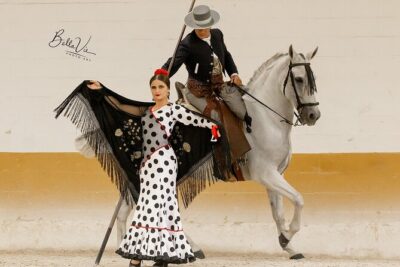
Guided horseback tour through the Guadalhorce Valley
Read our review →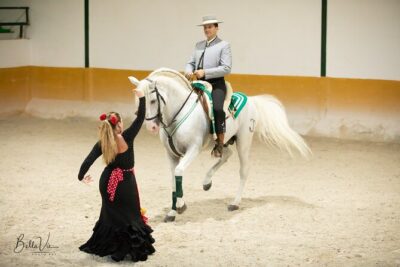
Andalusian Horses and Flamenco show with transportation
Read our review →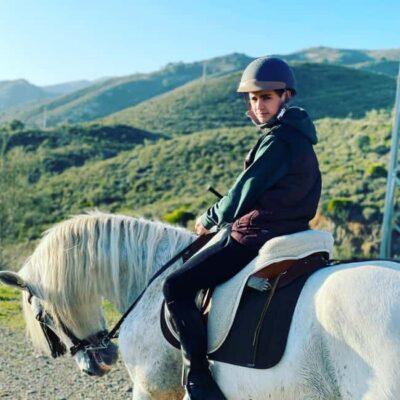
Malaga – 1-hour Horseback Riding Tour with a Local Guide through the Guadalhorce Valley
Read our review →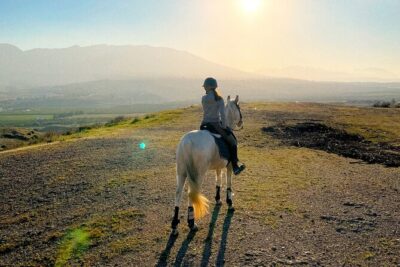
Andalucia Bull and Horse Farm and Ronda Private Tour from Malaga
Read our review →Browse the lists this tour appears in